The short answer: Medellin is the default first choice for retiring in Colombia — the largest English-speaking expat community, top private hospitals, Colombia’s only rail metro, and a spring-like climate (18–28°C, 64–82°F) that never needs heating or air conditioning. A comfortable single lives well here on about $1,330 a month in Laureles or Envigado, or past $2,000 in upscale El Poblado. It’s also the safest major city in Colombia, at an 82-year low on homicides — provided you keep the street-smart habits that matter most exactly where foreigners socialize.
If you only visit one Colombian city before deciding, make it Medellin. It sits at about 1,495 meters, which gives it that famous eternal-spring climate all year — no heating, no air conditioning, no seasons to dread. It’s the number-one expat and retiree hub in the country, with the largest English-speaking community, a clean and safe metro that’s a genuine civic point of pride, Metrocable cable cars up the hillsides, and top private hospitals like Pablo Tobón Uribe and Clínica El Rosario close at hand. Here’s what moving here actually looks like, neighborhood by neighborhood. (Dollar figures use 1 USD = 3,250 COP, mid-2026.)
This summarizes the Medellin sections of No-Nonsense Guide to Retiring in Colombia by Leo Sotropa — neighborhood profiles, the estrato lever, and the safety rules for a single foreigner in the city.
Neighborhood is everything
In Medellin, your neighborhood choice swings your budget more than any other decision. Here are the areas retirees actually choose, with furnished one-bedroom rents:
| Neighborhood | Furnished 1BR / mo | Feel |
|---|---|---|
| El Poblado | $700–1,200 (2.3–3.9M COP) | upscale, leafy, walkable, most English, most restaurants; estrato 6 |
| Laureles | $450–800 (1.5–2.6M COP) | flatter, greener, more local, beloved for walkability without the polish |
| Envigado / Sabaneta | $450–800 (1.5–2.6M COP) | their own towns just south, more Colombian, friendlier on the wallet |
El Poblado is the polished expat quarter with the most English and the highest rents — and, as an estrato 5–6 area, the highest utility bills too. Laureles, Envigado, and Sabaneta give you a comfortable, walkable life fifteen minutes away for hundreds less a month.
The estrato system, and why it saves you money
Understand one uniquely Colombian quirk, because it quietly controls a big chunk of your monthly cost. Every property is rated estrato 1 (lowest) to 6 (highest) by neighborhood, and your utility rates scale with that rating — the same electricity and water can cost two to three times more in an estrato 6 building than an estrato 3. Choosing an estrato 3–4 area like Envigado, Sabaneta, or Laureles over estrato 5–6 El Poblado saves roughly $120–240 a month across rent and utilities combined — about $1,500 to nearly $3,000 a year — for a neighborhood that’s arguably more authentically Colombian anyway. Ask the estrato of any place before you sign. It’s not snobbery; it’s arithmetic.
What a Medellin month costs
Here’s a comfortable single’s budget in a mid-tier neighborhood versus premium El Poblado, plus a couple:
| Line item | Single (Laureles/Envigado) | Single (El Poblado) | Couple |
|---|---|---|---|
| Rent (furnished) | $600 | $1,000 | $900 |
| Utilities | $50 | $70 | $70 |
| Internet + mobile | $45 | $45 | $60 |
| Groceries | $170 | $180 | $300 |
| Dining out | $150 | $280 | $320 |
| Transport (metro + Uber) | $60 | $90 | $110 |
| Healthcare | $120 | $180 | $260 |
| Empleada + misc | $135 | $210 | $230 |
| Total | ~$1,330 | ~$2,055 | ~$2,250 |
Most of the gap between the two single columns comes down to just two lines: rent and dining. Moving from El Poblado to Laureles drops rent from $1,000 to $600 — one decision worth $400 a month. A comfortable single lives on about $1,300–1,800 in Medellin; a couple runs roughly $1,700–2,250 depending on neighborhood. Set that against a typical Social Security income of $1,200–3,000 and you see why most retirees here bank money each month.
Daily life: the metro, the coffee, the community
Medellin has infrastructure the rest of the country envies. The metro is genuinely pleasant, with a flat fare of about 2,800 COP (roughly $0.85) that carries you across the city and up the hillsides on the Metrocable for the same ticket. A set lunch (menú del día) runs 15,000–28,000 COP ($4.60–8.60), a good Western restaurant meal $9–15, and an Uber across town $3–8. Those small numbers are why a comfortable single eats out several times a week and still banks money.
The expat scaffolding is the best in the country: large, active Facebook and WhatsApp groups, and InterNations chapters holding regular events. Within your first month you can be at a meetup where a dozen people have already solved the exact problem you’re wrestling with. Use it to land softly — then push past the English-speaking bubble into real Colombian life, because spending two years in the friendliest country on earth knowing only other Americans takes real effort and is a way to be lonely anyway.
Healthcare: the quiet reason people stay
Medellin sits beside some of the best hospitals in the country — Hospital Pablo Tobón Uribe, Clínica Las Américas, and Clínica El Rosario among them, several JCI-accredited to the same standard top U.S. hospitals chase. As a resident with your cédula you enroll in EPS, the public system (legally required, with a floor near $67 a month), and most retirees add private prepagada on top for faster appointments and direct access to private clinics — roughly $60–130 a month under 60, $150–250 once past 60. The catch is age: prepagada gets hard to buy new after 60, with entry-age caps and pre-existing-condition exclusions, which is exactly why Mike enrolled at 64 rather than waiting. Out-of-pocket private prices make the point on their own: a GP visit is $25–69, a specialist $46–123, a dental implant $700–1,200 versus $3,000–5,000 back home. For many retirees, the healthcare alone justifies the move.
Getting around, and getting out
You don’t need a car here, and most expats who drove their whole lives find not owning one is a relief. The metro connects to the Metrocable cable cars for the same near-$1 fare, and Uber, Didi, and inDriver cover door-to-door trips for $3–8 (sit up front, since Uber operates in a legal gray area). And Medellin is easy to leave when you want a change of scene: domestic flights are cheap booked ahead — Medellin to Bogota can run about $25 on Avianca, LATAM, Wingo, or JetSMART — so the safer, cheaper, greener coffee region (a comfortable single lives there for about $1,100 a month) is a short hop away for weekends or a slower second base. That flexibility is part of why so many people start in Medellin: it’s the soft landing you can always branch out from.
Safety: the honest picture
Medellin is the safest major city in Colombia, with a 2024 homicide rate of about 11 per 100,000 — the lowest in 82 years, in the same city that a generation ago was the most dangerous on the planet. The reputation lags the reality by about thirty years. El Poblado, Laureles, and Envigado are calm, and thousands of expats live there untroubled.
But the risks that reach foreigners are specific, and they’re concentrated exactly where single foreign men socialize. Petty crime and phone theft are endemic. Scopolamine (a drug slipped into drinks to incapacitate and rob) is real. And a U.S. Embassy alert followed at least eight suspicious American deaths in Medellin in late 2023 tied to dating-app setups — which is exactly why Mike, a single retiree in the book, treats it as an ironclad rule: never invite an app date home, meet only in busy public places he chose, never leave a drink unattended. Use Uber or Didi rather than hailed taxis (sit up front), keep your phone in your pocket on the street, and choose a good neighborhood. This is a city where no dar papaya — don’t make yourself an easy target — earns its keep, and where thousands live well precisely because they follow it.
Who Medellin suits
Almost everyone starting out. If you want a soft landing with English within reach, real amenities, great hospitals, and eternal spring, Medellin is the default first choice — and if you later want lower costs and deeper calm, the coffee region is a short, cheap flight away. The one honest requirement is the safety awareness, dialed up a notch or two from any big city. Arrive into a furnished rental first, spend a couple of months living as a resident rather than a tourist, and let the neighborhood prove itself before you sign a longer lease.
Want the full city-by-city comparison, the neighborhood safety guide, and the arrival-week sequence for Medellin? It’s all in No-Nonsense Guide to Retiring in Colombia.
FAQ
How much does it cost to retire in Medellin?
A comfortable single lives on about $1,330 a month in Laureles or Envigado, or past $2,000 in El Poblado. A couple runs roughly $1,700–2,250 depending on neighborhood.
Is Medellin safe for retirees?
It’s the safest major city in Colombia, at an 82-year low on homicides (~11 per 100,000). The real risks — phone theft, scopolamine, dating-app crime — are specific and largely avoidable with street-smart habits, especially for single men.
Which Medellin neighborhood is best for retirees?
El Poblado for the most English and walkability at a premium; Laureles and Envigado for a comfortable, more local life at hundreds less a month thanks to lower rents and lower estrato utility rates.
Keep reading: Cost of living in Colombia for retirees · Is Colombia safe for retirees? · The complete guide to retiring in Colombia
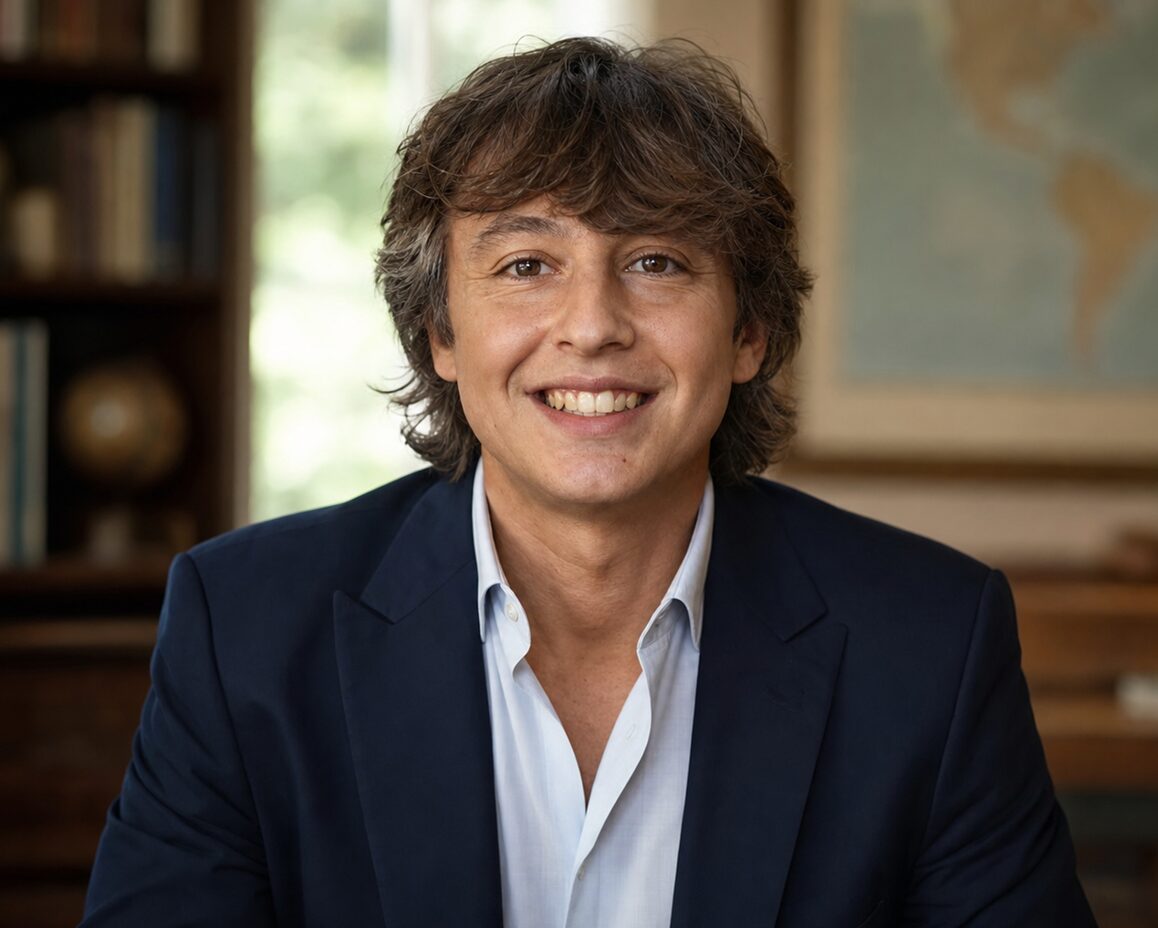
Meet Leo: The Heartbeat Behind ‘A Country A Month’
Journeying through the pages of A Country A Month, you might often feel the rhythm of a storyteller’s heartbeat, pulsating through each line, each image, and each adventure shared. That heartbeat belongs to none other than our remarkable website editor, Leo.
With a lens in one hand and a pen in the other, Leo seamlessly marries his passions for photography and writing. His eye captures moments that words can barely describe, yet his eloquence brings those images to life, transcending borders and connecting us all through shared stories. An avid traveler, every country he’s visited has added another chapter to his expansive tale, and through our platform, he generously shares these chapters with us.