The short answer: Both halves are true at once. Colombia carries a real security caveat — a U.S. State Department Level 3 “Reconsider Travel” advisory, a full step above the usual retirement destinations — and millions live here safely while the cities retirees actually choose are far safer than the headlines suggest. Medellin’s 2024 homicide rate was about 11 per 100,000, its lowest in 82 years. The specific risks that reach a foreigner are real but largely avoidable with a short set of learnable habits Colombians sum up as “no dar papaya” — don’t make yourself an easy target.
This is the question that decides whether Colombia is right for you, so it deserves the honest version, not a dodge. Everywhere else, a country’s downsides are manageable annoyances. Here the caveat is more serious, and the right frame is neither to be scared off nor to be naive: understand exactly what the risks are, exactly where they live, and exactly how to sidestep them, because they are overwhelmingly avoidable.
This summarizes the safety chapter of No-Nonsense Guide to Retiring in Colombia by Leo Sotropa — the risks named one by one, and the daily habits that defeat them.
The Level 3 advisory, in honest context
Start with the number that scares people. The U.S. State Department rates Colombia Level 3, “Reconsider Travel” (reissued March 31, 2026), citing crime, terrorism, and kidnapping. That’s one full step higher than the other easy retirement destinations. If a country’s advisory level is a dealbreaker for you, better to know it now than after you’ve shipped your life here.
Inside that Level 3 country are specific Level 4 “Do Not Travel” zones — the highest warning there is: Arauca; Cauca (except its capital, Popayán); Norte de Santander; parts of Valle del Cauca (except Cali); and anywhere within about 10 kilometers of the Venezuela border. Here’s the crucial thing: retirees do not live in them. They’re remote border and conflict regions with armed groups, not places anyone moves to for the eternal spring. No retiree in the book lives within a hundred miles of them. A national advisory averages a whole country including its worst corners — and you’re not going to live in the average.
The real numbers, city by city
National statistics hide the truth in both directions, so look at where you’d actually live:
| City | Homicides per 100,000 | Read |
|---|---|---|
| United States (reference) | ~6 | Your baseline |
| Medellin (2024) | ~11 | Safest major city, 82-year low |
| Bogota | ~14.7 | Elevated, fine in upscale zones |
| Cartagena | ~37 | Materially higher |
| Cali | ~41 | Highest of the retiree-adjacent cities |
Medellin and Bogota are elevated versus home, but not wildly so, and Medellin’s trend has been dramatically downward for years. The coastal and southern cities are several times higher — which is precisely why retirees cluster in Medellin, the coffee region, and the good zones of Bogota rather than in Cali or Cartagena. And remember that Medellin at 11 is the same city that a generation ago was the most dangerous on the planet; the reputation lags the reality by about thirty years. Respect the present-day risks, but don’t import a 1990s fear into a 2020s city.
The specific risks a foreigner actually faces
Homicide rates are the headline, but they’re mostly not your risk — violent crime here is concentrated in worlds you’ll never enter. The risks that actually reach a foreign retiree are different, more targeted, and defeatable once you know them:
- Scopolamine (known as burundanga or “devil’s breath”). A drug criminals use to incapacitate a victim — slipped into a drink, on a laced item, occasionally blown into the face — leaving them compliant and confused, then robbed. The defense: never leave a drink unattended, never accept an open drink or food from someone you just met, and be wary of over-friendly strangers who steer you somewhere private fast.
- Dating-app crime. Apps have been used to lure and rob foreigners, and it has turned deadly — a U.S. Embassy alert followed at least eight suspicious American deaths in Medellin in late 2023, landing hardest on older single men. The rule: never invite an app date to your home, never let a match pick the venue or steer you somewhere private, and meet only in busy public places you chose.
- Express kidnapping. Short-term and financial — a victim is grabbed and driven to ATMs to empty their accounts over a few hours, then released. Using Uber or Didi rather than a hailed street taxi removes a large chunk of this risk, because the ride is tracked and the driver identified.
- Phone theft. Endemic — the daily-odds risk you’re most likely to actually meet. Keep your phone in your pocket, not on the café table, don’t walk down the street staring at it, and don’t flash the newest model.
“No dar papaya,” the rule that keeps you safe
Colombians compress the whole safety chapter into three words: no dar papaya — literally “don’t give papaya,” meaning don’t make yourself an easy target. In practice it’s a short, learnable list: don’t flash phones, jewelry, or cash; don’t wander unfamiliar areas at night; don’t get drunk with people you just met; don’t invite an app date home; don’t leave your drink unattended; choose a good neighborhood (El Poblado, Laureles, or Envigado in Medellin; Chapinero, Chicó, or Usaquén in Bogota); use Uber or Didi over hailed taxis; and keep a low profile about being a foreign retiree with money.
None of it is exotic — it’s the street awareness a sensible person uses in any big city, dialed up a notch or two. And that “notch or two” is the honest heart of it: Colombia asks for a level of everyday awareness the easier countries don’t. If that sounds tiring, or you know you won’t actually do it, that’s important self-knowledge, and choosing a different country is no failure.
What a safe ordinary day looks like
Here’s what these habits look like as a normal day. You wake in an apartment in Envigado or Laureles, a good neighborhood you chose on purpose. You walk to a café with your phone in your pocket, and leave it there while you have your coffee. You pay with a card or the cash you brought for the day, not a fat roll of bills. In the afternoon you take an Uber across town, sitting up front, tracked on the app. In the evening you meet friends at a busy restaurant, keep an eye on your drink, and if you’re meeting someone new from online, you meet them there, in public, and don’t bring them home. None of it is paranoid, and none of it is a hardship — it’s a mildly heightened version of how a sensible person moves through any large city, and it defeats almost all of the risks in this article.
Handling money without becoming a target
Several of the risks above — express kidnapping especially — are really about cash and how you handle it, so money habits earn a place in the safety plan. The pattern is opportunity plus cash access: someone sees a foreigner, assumes a fat account, and the ATM is the payoff. Take the payoff off the table. Use machines inside banks, shopping centers, and busy well-lit places, ideally during the day, not street-side ATMs at night. Withdraw larger amounts less often rather than making a spectacle of it, split your money and cards so a single grab doesn’t clean you out, and carry only what you need for the day. A foreigner counting a thick stack of bills on the sidewalk is, in the local phrase, giving papaya — so don’t give papaya with your money any more than with your phone. Cash is still king for lunch spots, vendors, taxis, and the empleada, so you will carry some; the discipline is keeping a low profile while you do.
Who should think twice
This is the one chapter in the series where the honest answer can cost you more than money, so the self-assessment matters. Colombia asks for a level of everyday street awareness the easier countries don’t, and it asks for it every day, on purpose. Someone who cannot or will not adopt the no-dar-papaya habits — who knows they’ll leave a phone on the café table, invite a stranger home, or wander unfamiliar streets after a few drinks — should think hard before choosing Colombia over an easier country. That’s not fear-mongering; it’s respect. The decision isn’t “is Colombia safe” as a yes or no. It’s “am I the kind of person who will pick a good neighborhood, take Uber over a street taxi, keep my phone in my pocket, never bring a stranger home, and never leave my drink unattended.” If you are, Colombia opens up as one of the warmest, best-value retirements you’ll find. If you’re honest and the answer is no, choose differently — there’s no shame in it.
Natural hazards, briefly
Two things beyond crime, so you’re not surprised. Colombia sits on the Pacific Ring of Fire, so earthquakes are a genuine, occasional hazard — know your building and its exits, the way a Californian does. And altitude: Bogota sits at 2,640 meters (about 8,660 feet), and that thin air affects some newcomers and is a real consideration with certain heart or lung conditions. It’s a reason many retirees prefer Medellin’s gentler 1,495 meters or the coffee region; if Bogota’s altitude gives you pause, talk to your doctor first.
Want the full risk-by-risk playbook, the neighborhood safety guide, and how to handle money without becoming a target? It’s all in No-Nonsense Guide to Retiring in Colombia.
FAQ
Is Colombia safe for American retirees?
In the right neighborhoods, yes. Medellin is the safest major city in the country at an 82-year low on homicides, and millions live safely nationwide. Colombia carries a real Level 3 advisory and specific risks, but they’re largely avoidable with street-smart habits.
What are the biggest safety risks in Colombia?
For a foreigner: scopolamine drugging, dating-app setups (especially for single men), express kidnapping via forced ATM withdrawals, and endemic phone theft. Homicide, the scary headline, is mostly concentrated in worlds retirees never enter.
Which Colombian cities are safest for retirees?
Medellin (and its Envigado, Laureles, and El Poblado neighborhoods), the coffee region around Pereira, and the upscale zones of Bogota. Cali and Cartagena carry materially higher crime, so the safety math is harder there.
Keep reading: Moving to Medellin to retire · Living in Colombia on a fixed income · The complete guide to retiring in Colombia
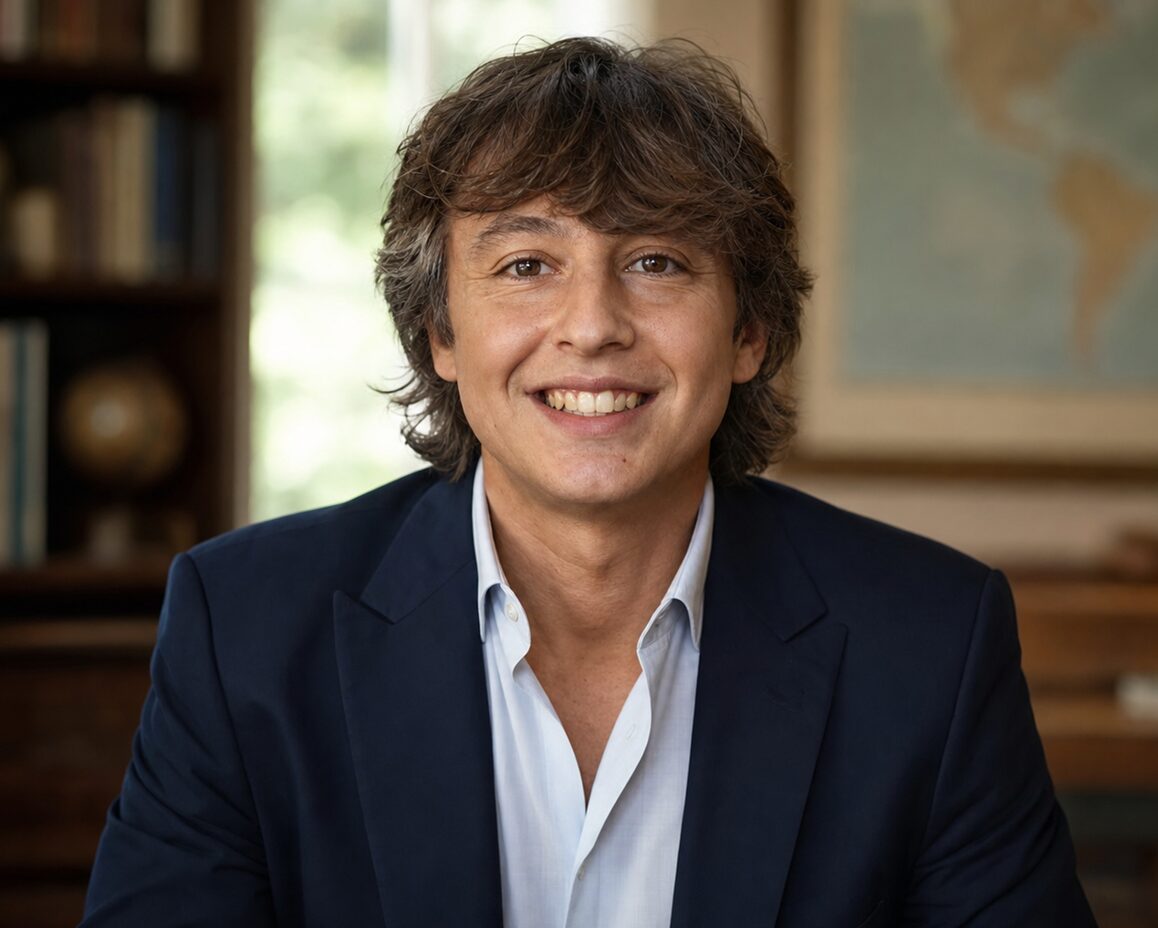
Meet Leo: The Heartbeat Behind ‘A Country A Month’
Journeying through the pages of A Country A Month, you might often feel the rhythm of a storyteller’s heartbeat, pulsating through each line, each image, and each adventure shared. That heartbeat belongs to none other than our remarkable website editor, Leo.
With a lens in one hand and a pen in the other, Leo seamlessly marries his passions for photography and writing. His eye captures moments that words can barely describe, yet his eloquence brings those images to life, transcending borders and connecting us all through shared stories. An avid traveler, every country he’s visited has added another chapter to his expansive tale, and through our platform, he generously shares these chapters with us.