The short answer: Living in Colombia on a fixed income means a warm, socially rich daily life where a dollar goes remarkably far — a fifty-cent coffee, a $5 set lunch, a housekeeper for $10 a day, and a healthcare system where a specialist costs the price of dinner. Colombia is ranked among the friendliest countries on earth, it sits on nearly the same clock as the U.S. East Coast, and Miami is a cheap 4–5 hour flight. The daily discipline is small: run a simple money rhythm against the volatile peso, keep street-smart habits, and actually learn Spanish.
Budgets tell you whether a fixed income covers the bills; they don’t tell you what the days feel like. This is the texture of an ordinary month in Colombia — the social life, the money rhythm, the healthcare, and the small frictions — for someone living on a Social Security check. (Dollar figures use 1 USD = 3,250 COP, mid-2026.)
This summarizes the daily-life chapters of No-Nonsense Guide to Retiring in Colombia by Leo Sotropa — staying connected, the money rhythm, and cultural adaptation.
The friendliest people on earth are not a slogan
There’s a quiet fear that stops people from moving abroad — not sickness or crime, but being far away and alone at a table in a country where nobody knows your name. Colombia is unusually good at dissolving it. In the InterNations Expat Insider 2025 survey, out of 46 countries, Colombia was ranked number two in the world for the friendliness and welcome of its people, and number three for how easy it is to settle in. That’s not a tourism line — it’s thousands of expats reporting how it actually felt to arrive.
You feel it fast. Neighbors talk to you, shopkeepers remember you, you get invited to things. Medellin’s paisa culture is famous for hospitality. The warmth isn’t a nice bonus; it’s the direct antidote to the loneliness you’re worried about, because the culture keeps pulling you into contact whether you planned it or not. It comes with a whole social texture: a deep coffee culture where sitting and talking is the point, music everywhere from salsa to vallenato, and festivals stitching the year together, from Medellin’s Feria de las Flores each August to Barranquilla’s UNESCO-listed Carnaval.
The distance that actually matters is small
Two underrated gifts make staying close to home genuinely easy on a fixed income. First, the clock: Colombia runs on roughly Eastern time and doesn’t observe daylight saving, so it sits zero to one hours off the U.S. East Coast all year. Retire in Southeast Asia and calling your daughter means one of you is up at a miserable hour, permanently. Retire in Colombia and you call her after her dinner, which is right after yours — you watch the grandkids open birthday presents live, you join the family group chat in real time.
Second, the flight home is cheap and short: Miami is roughly four to five hours from Colombia’s major cities. A graduation, a friend’s surgery, the holidays — you can be there, and you can afford to be there more than once a year. The distance on the map isn’t the distance that matters; the distance on the clock is, and here it’s close to zero.
The money rhythm on a fixed income
Living on a dollar income in a peso economy means one small monthly discipline. Once your setup is in place, the whole thing collapses into a fifteen-minute routine: early in the month, check the exchange rate and convert roughly that month’s peso spending through Wise (in a tranche, not betting your year on one day); move those pesos into your Colombian account; pay rent, utilities, and internet from it; withdraw a sensible amount of cash for the daily economy — the lunches, the vendors, the empleada — in a withdrawal or two from a secure ATM. Glance at your dollar reserve to be sure it still buffers a bad-rate month. That’s the rhythm, and it shouldn’t become a hobby.
Why the discipline matters: the peso is the one variable that moves your budget without your permission. It swung roughly 15% in the first half of 2026 alone and strengthened from about 4,000 to the dollar in 2024 to about 3,250 now. Holding dollars until you convert, converting in tranches, keeping a dollar reserve, and carrying a budget cushion aren’t four chores — they’re one posture, the posture of someone who earns in dollars and spends in pesos and refuses to let the gap run their life. Day to day you’ll carry both a card (widely accepted in cities) and cash (essential for lunch spots, vendors, taxis, and your housekeeper).
Healthcare that stops being the line that dominates
In the United States, health coverage is often the line item that dominates a retirement budget and keeps people working years longer than they want to. In Colombia it’s a footnote — roughly $120 a month for a single with EPS plus a top-up, around $260 for a couple. EPS, the public system, is legally required with a floor near $67 a month and covers the big, expensive things; most retirees add private prepagada ($150–250/month over 60) for speed and choice. A GP visit is the price of a nice lunch, a specialist is $46–123 cash, and pharmacies sell most medications 50–70% below U.S. prices, often over the counter. That single fact — cheap, excellent healthcare — is what lets people retire here on a check that wouldn’t stretch to month’s end back home. Enroll in prepagada early, though: it gets hard to buy new after 60.
Spanish is the key to actually belonging
Here’s the frank part: you can’t skate by on English, not for a real life. Colombia ranks “Low” on the EF English proficiency index (number 76 nationally), and daily life — your healthcare, every piece of bureaucracy — happens in Spanish. This is not the country where you get by with pointing and a smile. But the good news is real: Colombian Spanish, especially the Andean and Bogota accent, is widely considered one of the clearest and easiest versions to learn, spoken slowly and crisply. And in a country this warm, every clumsy sentence is met with encouragement, not impatience. The Spanish isn’t the wall people fear — it’s the door, and it’s the single highest-return thing you can invest in. Start before you land.
The small luxuries a fixed income buys here
Some of what a modest check buys in Colombia would be unthinkable at home. Domestic help is the clearest example: an empleada to clean, do laundry, and often cook costs about $9–11 for a full day, so most expats hire someone once or twice a week without thinking of it as a luxury — $40–135 a month that quietly transforms daily life. Eating out is a daily pleasure rather than a splurge: the menú del día — soup, a plate of meat or fish with rice and beans, and a fresh juice — runs $4.60–8.60, and Colombians build their day around a big midday meal out plus a light dinner at home, which is both cheaper and more local. And because aging is affordable here too — a live-in caregiver runs about $462–1,077 a month, a fraction of U.S. costs — the fear of what happens when your needs grow has somewhere concrete to go. A fixed income doesn’t just cover the basics in Colombia; it leaves room for the help and the small comforts that make the days easier.
Getting around, and the expat scaffolding
You don’t need a car in the cities, and for your first months you shouldn’t want one. Medellin’s metro (about $0.85 a fare) is clean, safe, and a civic point of pride, connecting to Metrocable cars up the hillsides; Bogota runs on the TransMilenio bus network. For door-to-door trips, Uber or Didi run about $3–8 (sit up front). Many expats who drove their whole lives find not owning a car is a relief, not a sacrifice.
And you won’t be the only foreigner. Medellin has the largest English-speaking expat scene in the country — big Facebook and WhatsApp groups, InterNations chapters — and you can plug in before you even arrive. Use it as scaffolding to land softly, then push past the bubble into Colombian life, because the people who stay happiest use the community to start, not to hide. The one real friction to expect is la hora colombiana, the relaxed relationship with time: the plumber says morning and arrives after lunch. Reframe it — the same looseness that makes the plumber late is what makes the lunch last three hours with nobody checking the clock.
Want the full money rhythm, the guide to building a real social life, and how to beat loneliness abroad? It’s all in No-Nonsense Guide to Retiring in Colombia.
FAQ
What is daily life like living in Colombia on a fixed income?
Warm and socially rich, with a dollar going far: a fifty-cent coffee, a $5 set lunch, a housekeeper for $10 a day, cheap transit, and a specialist for the price of dinner. The country is ranked among the friendliest on earth, and the culture actively pulls you into a social life.
Can I stay connected to family in the US from Colombia?
Easily. Colombia sits zero to one hours off U.S. Eastern time with no daylight saving, so calls happen in real time, and Miami is a cheap 4–5 hour flight for the big moments.
Do I need to speak Spanish to live in Colombia?
Yes, for a real life — English is thin outside expat-facing businesses, and bureaucracy and healthcare run in Spanish. Colombian Spanish is among the clearest to learn, and the warmth of the culture rewards the effort.
Keep reading: Cost of living in Colombia for retirees · Is Colombia safe for retirees? · The complete guide to retiring in Colombia
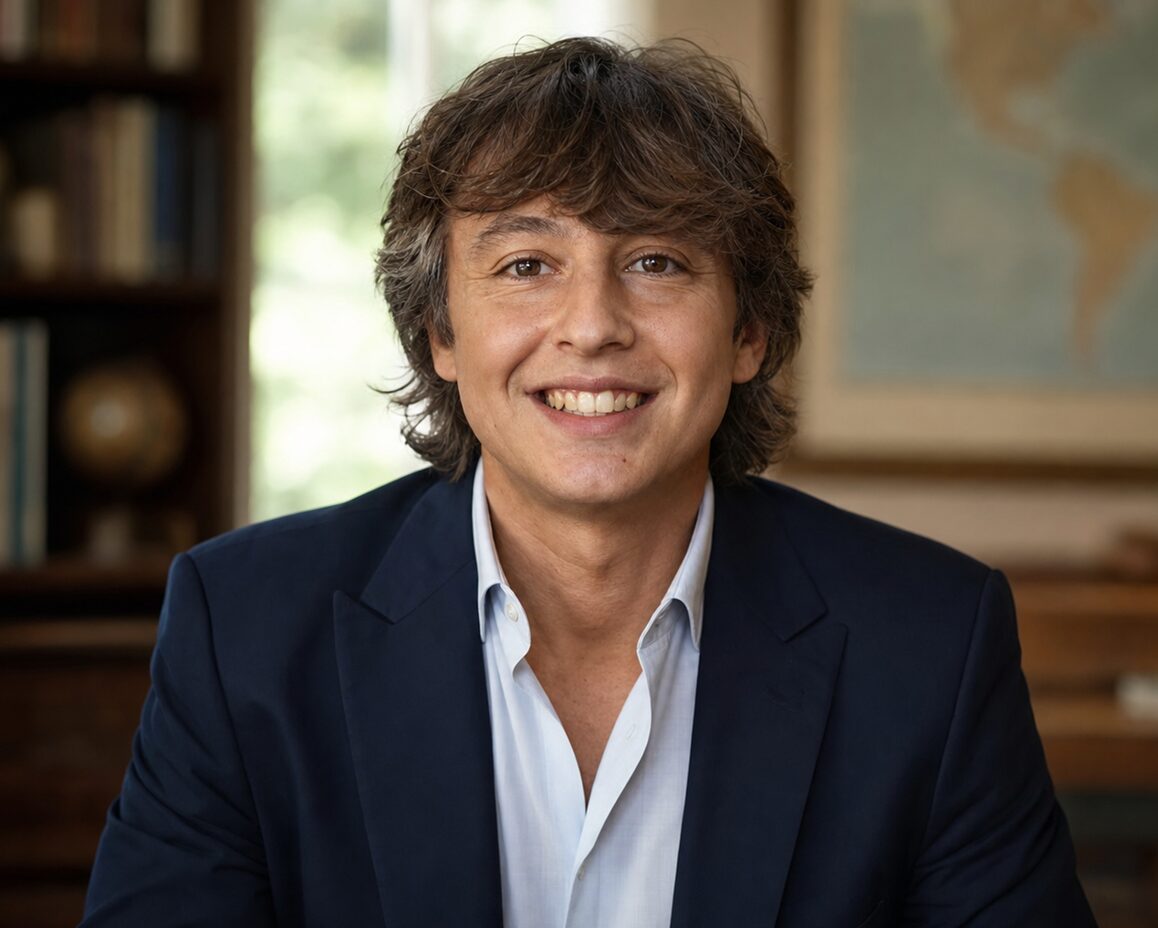
Meet Leo: The Heartbeat Behind ‘A Country A Month’
Journeying through the pages of A Country A Month, you might often feel the rhythm of a storyteller’s heartbeat, pulsating through each line, each image, and each adventure shared. That heartbeat belongs to none other than our remarkable website editor, Leo.
With a lens in one hand and a pen in the other, Leo seamlessly marries his passions for photography and writing. His eye captures moments that words can barely describe, yet his eloquence brings those images to life, transcending borders and connecting us all through shared stories. An avid traveler, every country he’s visited has added another chapter to his expansive tale, and through our platform, he generously shares these chapters with us.