The short answer: Spanish healthcare (public and private) is rated among the world’s best and costs a fraction of U.S. prices. You’ll use private insurance for your visa and first year (about €90–250/month at 65+), then you can buy into the public system via the convenio especial — €157/month at 65+, not income-based. Medicare does not work in Spain: keep free Part A, and decide Part B deliberately.
Healthcare is the fear that keeps people up at night — and it’s also, in practice, the most fixable worry in the whole move. Back home, Medicare feels like the floor under your feet; the anxiety is really about losing that floor. But in Spain you get a new floor, often a sturdier and far cheaper one. Here’s how coverage actually works for an American retiring in Spain.
This summarizes the healthcare and Medicare chapters of No-Nonsense Guide to Retiring in Spain by Leo Sotropa.
First, relax about the quality
Spain’s healthcare system is consistently rated among the best in the world. Specialist depth is greatest in the big cities — Valencia, Seville, and Málaga all have top hospitals — while smaller inland towns have thinner specialist access (fine for routine care, a longer drive for complex needs). The public system is run by the regions, which is why the name on the door changes with your address: SERMAS in Madrid, CatSalut in Catalonia, GVA Salut in Valencia, and so on across Spain’s seventeen autonomous communities. Practically, that means the quality is excellent nationwide, but the specifics — and English availability — vary locally.
The three doors into coverage
- Private insurance — not optional for your first year; it’s a hard requirement of the Non-Lucrative Visa (no co-pays, no deductibles, full coverage, repatriation). Retiree no-co-pay premiums typically run €90–250/month at 65+, climbing with age. Insurers consulates accept include Adeslas, Sanitas, DKV, and ASSSA. Published 2025 premiums ran roughly €147 (ages 55–59), €182 (60–64), and €256 (65–70).
- The convenio especial — Spain’s public pay-in option, available after 12 months of registered residence (your padrón). A flat €60/month under 65, €157/month at 65+, and crucially not income-based — the same price whether you’re scraping by or comfortable. It covers GP, specialist, hospital, and emergency care with no pre-existing exclusions, a meaningful protection if your health changes. It does not cover outpatient prescriptions or dental.
- Keep private for the long haul — plenty of retirees never switch, paying for English-speaking doctors, faster specialist appointments, and dental included.
The combination most retirees actually use: private for year one (the visa demands it), then the convenio especial at month 12, often keeping a cheap private policy on the side for dental and speed. Hold that €157 figure in your head — for many retirees it’s the number that makes the whole budget work.
What care costs out of pocket
- A private GP or specialist consultation: about €50–100 (free once you’re publicly covered).
- Prescriptions under the public system: a heavily subsidized co-pay, typically €0–10. On the convenio you pay full price for outpatient meds — but Spanish drug prices are a fraction of American ones, so “full price” rarely stings.
- Dental (never in the public system): roughly 30–50% below U.S. and U.K. prices for comparable, EU-regulated quality. A root canal that might run $1,500 at home is a fraction of that; there’s a whole industry of Northern Europeans flying in just for the dental work.
For perspective: a 64-year-old American couple might pay $1,500–2,000+/month for health insurance back home before Medicare. In Spain, two people in their early sixties are often looking at a small fraction of that.
Finding an English-speaking doctor
English-speaking doctors are common in private clinics in the expat hubs — the Costa Blanca, Costa del Sol, Madrid, Barcelona, and Valencia — and less common in public health centers and inland. The public SNS is excellent medicine, but the doctor assigned to your local health center may or may not speak English. That’s one of the strongest arguments for keeping a private policy on the side even after you qualify for public care, and a real consideration if you’re weighing a cheaper inland town, where you trade English-speaking convenience for lower rent.
The one place to plan, not just relax
Here’s the distinction worth drawing sharply. Getting sick and getting better — the cancer treatment, the cardiac surgery, the hospital stay — is the part Spain handles beautifully. The parts to plan around are the ones the public system doesn’t cover: outpatient prescriptions on the convenio (budget for them, though they’re cheap), dental (30–50% cheaper than home, but out of pocket), and long-term/elder care, the conversation nobody wants but everyone should have in advance. Price your real age band with at least two insurers, mark month 12 of residence on your calendar, and budget dental separately.
What happens to your Medicare
The non-negotiable fact: Original Medicare does not cover care in Spain. So:
- Part A: it’s free — keep it, full stop. It’s there for U.S. trips and any future return.
- Part B ($185/month in 2025): a real decision. It doesn’t work in Spain, so it’s $2,220/year for coverage you can’t use there. But if you drop it and later re-enroll, you face a permanent late-enrollment penalty of 10% for every 12 months you were out — a penalty that never goes away. Keep Part B if there’s any real chance you’ll return; drop it only if Spain is genuinely permanent. Be honest with yourself about the odds, because a meaningful number of Americans do move back, not because Spain failed them but because life happens.
- Medigap: some plans (D, G, M, N) cover 80% of foreign emergency care after a $250 deductible, up to a $50,000 lifetime max, for the first 60 days of a trip — structured around trips, not residency, so useful for snowbirds, not as your Spanish coverage.
- Veterans: Tricare Overseas and the VA’s Foreign Medical Program can cover eligible retirees and service-connected conditions abroad — a meaningful extra card if you served.
The snowbird logic
The two systems aren’t really competitors for your loyalty; they’re complementary. Spain is unbeatable for everyday care — cheap, excellent, close. The U.S. system is where your Medicare and long U.S. relationships live. Retirees who split the year use each where it’s strong: everyday and preventive care in Spain, plus travel insurance and Medigap’s foreign-emergency limits for U.S. trips. Keeping Part A (and, deliberately, Part B) preserves that option.
The three doors, by budget type
How you combine coverage depends on your budget, and the book’s three retirees show the range:
- Tightest budget (Margaret, solo, Granada): private no-co-pay for visa year one, then switch to the €157 convenio especial the moment her padrón year matures — saving every euro — with a cheap dental plan on the side.
- Couple (Tom & Linda, Alicante): the same sequence, doubled — both on private in year one, both onto the convenio (about €314 combined) after, keeping one private policy for speed.
- Health-focused (Patricia, nurse, Valencia): keeps comprehensive private insurance for the long haul (around €230/month), trading a bit more cost for faster specialists, English-speaking doctors, and dental — and budgeting for premiums that climb after 75.
There’s no single right answer; the sequence bends to your health, your priorities, and your city.
Prescriptions and the pharmacy
One structural point to plan around: the convenio especial does not cover outpatient prescriptions, so on that route the medications you pick up at the farmacia come out of pocket. Before you panic, know that Spanish drug prices are a fraction of American ones, so “full price” rarely stings the way it does at home. Under the regular public system, prescriptions carry a heavily subsidized co-pay, typically €0–10. Bring a supply and your prescriptions for the transition, and price your regular medications locally once you land.
Elder and long-term care
This is the conversation nobody wants and everyone should have in advance. Spain handles acute illness beautifully, but long-term and elder care — assisted living, in-home help as needs grow — is the piece to plan separately, because neither the convenio nor a standard private policy fully covers it. Think through it while you’re healthy: what happens if one spouse’s health declines, what in-home support costs in your city, and how the plan flexes. Facing it early is far cheaper than facing it in a crisis.
Emergencies and STEP
One free item people skip and shouldn’t: the U.S. State Department’s Smart Traveler Enrollment Program (STEP). Enter your details and location, and the nearest embassy or consulate can reach you in an emergency and help family reach you. Pair it with knowing your local emergency number (112 across the EU) and your nearest hospital before you need either.
Want the full healthcare planning checklist and the Medicare decision worked out in dollars? It’s in No-Nonsense Guide to Retiring in Spain.
FAQ
Can American retirees use Spain’s public healthcare?
Yes — after 12 months of registered residence you can buy into the public system via the convenio especial (€60/month under 65, €157 at 65+), which is not income-based and covers pre-existing conditions.
Does Medicare work in Spain?
No. Original Medicare almost never pays for care outside the U.S. Keep free Part A for U.S. trips; decide Part B deliberately because of the permanent re-enrollment penalty.
How much is private health insurance in Spain for retirees?
Roughly €90–250/month for no-co-pay cover at 65+, rising with age (and more steeply after 75). It’s required for your visa and first year.
Keep reading: Cost of living in Spain for retirees · The Non-Lucrative Visa guide · The complete guide to retiring in Spain
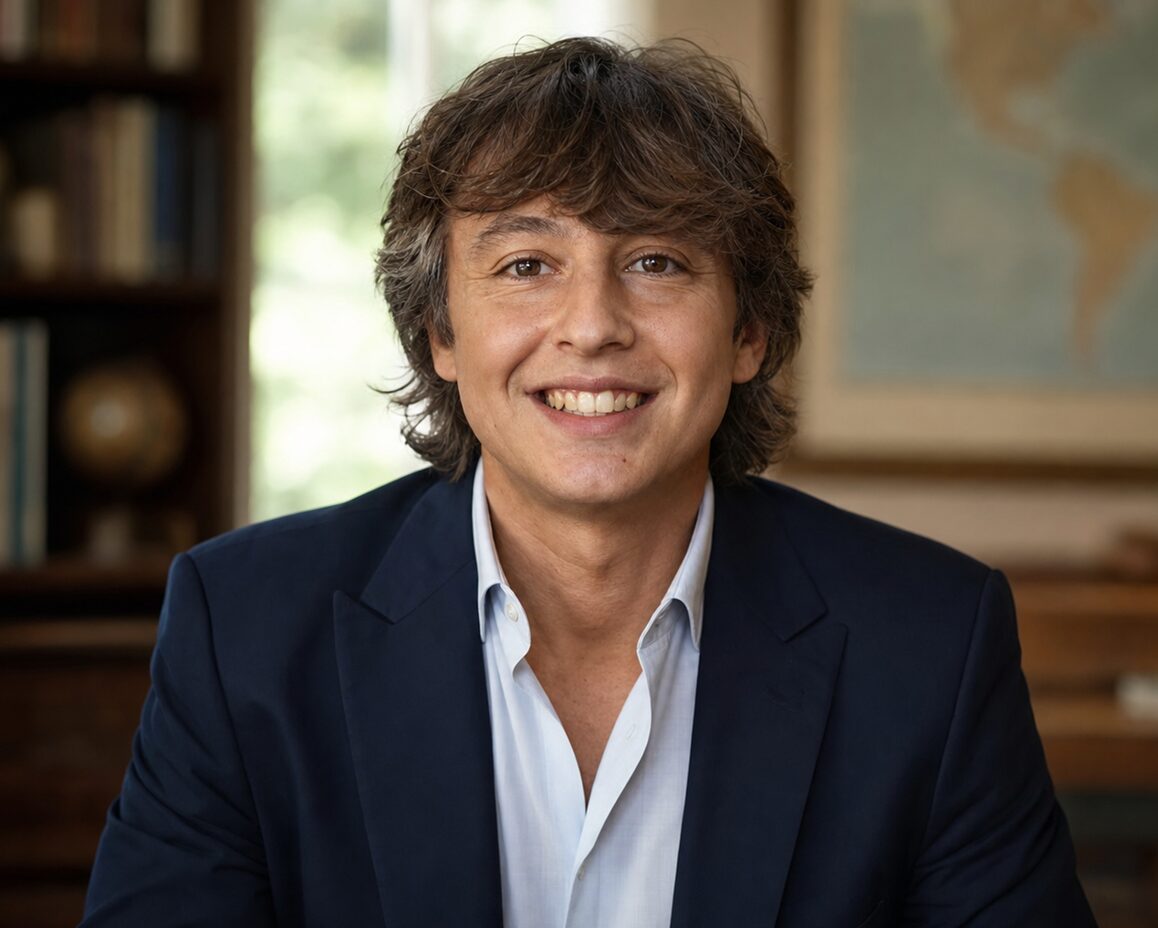
Meet Leo: The Heartbeat Behind ‘A Country A Month’
Journeying through the pages of A Country A Month, you might often feel the rhythm of a storyteller’s heartbeat, pulsating through each line, each image, and each adventure shared. That heartbeat belongs to none other than our remarkable website editor, Leo.
With a lens in one hand and a pen in the other, Leo seamlessly marries his passions for photography and writing. His eye captures moments that words can barely describe, yet his eloquence brings those images to life, transcending borders and connecting us all through shared stories. An avid traveler, every country he’s visited has added another chapter to his expansive tale, and through our platform, he generously shares these chapters with us.