The short answer: If the goal is to retire abroad on a budget, Thailand is hard to beat — a single lives well in the cheaper cities on $850–1,100 a month and still banks money. The best-value places are the north and Isaan: Chiang Mai, Udon Thani, and Chiang Rai, plus a studio one district out of Bangkok or a quieter beach in Hua Hin. The two biggest levers are choosing the city — and then the neighborhood — carefully, and renting rather than buying.
Plenty of countries promise an affordable retirement and then quietly claw it back in visa income bars, healthcare, or a cost of living that isn’t as low as the brochure said. Thailand is the rare one where the daily arithmetic genuinely comes out in your favor, so a Social Security check in the $1,200–3,000 band supports a real, comfortable life. The trick to doing it on a budget is knowing which cities stretch your dollar furthest and which cost hacks matter. (Dollar figures use 33.6 baht to the dollar, mid-2026; plan at 32.)
This summarizes the best-value-cities and cost-hacks chapters of No-Nonsense Guide to Retiring in Thailand by Leo Sotropa — the real rents, the trade-offs, and a comparison toolkit.
The cheapest comfortable cities
The north and Isaan (the northeast) are where a lean budget stretches furthest. Three cities lead for budget-minded retirees:
- Chiang Mai — the budget-expat capital, with the deepest foreign community in the country, the best cafe culture, cool northern air much of the year, and a walkable old city. A furnished one-bedroom runs ฿10,000–15,000 ($300–450) central, ฿6,000–9,000 ($180–270) a little out. The catch you already know: a burning season, roughly February to April, when air quality turns genuinely hazardous. Many retirees leave for those weeks or seal up and run purifiers.
- Udon Thani — up in Isaan, one of the cheapest livable places in the country, with a surprise: a lasting American and U.S. military-veteran community dating to the Vietnam-War airbase era. A one-bedroom runs ฿6,000–10,000 ($180–300); a house from ฿5,000. A comfortable Udon retirement is commonly cited at $1,500–2,000. Isaan is largely spared the worst burning season, and English thins out beyond the expat circle.
- Chiang Rai — Chiang Mai’s smaller, slower, cheaper cousin near the northern border. A one-bedroom runs about ฿8,400 ($250), a small house around ฿10,000. Beautiful and genuinely inexpensive, but it shares the burning season and has thinner healthcare (serious care means traveling to Chiang Mai). Think of it as Chiang Mai with the volume turned down on everything.
If a beach is non-negotiable, Hua Hin (a one-bedroom ฿15,000–20,000, a studio outside ฿12,000–15,000) and residential Pattaya (Jomtien and Pratumnak, calm streets a few miles from the strip they never visit) deliver it for far less than Phuket, which runs about 20% above Bangkok and is the pricey exception in this country.
Matching your check to a city
Rent is only the biggest single line, not the whole bill; once you add utilities, food, transport, insurance, and a little fun, the cities sort cleanly. In the cheapest cities (Chiang Mai, Udon Thani), a single retiree runs about ฿28,700 ($854) lean and ฿40,200 ($1,196) comfortable, all-in. So a $1,200 check is lean but real here, and a $1,600 check is comfortable with money left over. In the mid-priced cities (Bangkok, Hua Hin), a single runs about ฿39,500–53,400 ($1,176–1,589), so you want $1,600 at the floor and $2,000-plus to be genuinely comfortable. For couples, a comfortable budget runs about ฿65,900 ($1,961) in a cheap city and ฿82,900 ($2,467) in a mid one.
The lesson isn’t that pricier cities are out of reach; it’s that each city has an income where it stops being a strain and starts being comfortable — and you should aim to live above that line, not at it. A comfortable life with a cushion beats a lean life in a fancier postal code every time.
The lever most people miss: the neighborhood
The neighborhood inside a city often matters more than the city itself. Bangkok proves it: the same city that runs ฿15,000–30,000 for a prime-center one-bedroom rents you a comfortable place near a transit line for ฿7,500–16,000 one district out — the difference between straining and thriving on the same check. Pattaya proves it too (the bar-strip reputation and the calm retiree streets are the same city, a few miles apart), and Phuket proves it in reverse (a coastal address at ฿25,000–45,000 becomes an inland Phuket Town one-bedroom at ฿12,000–25,000). So when you shortlist, don’t stop at the city name. Pick the city on the big factors, then pick the neighborhood on price and quiet once you’re there and can walk it.
Off the beaten path: the deepest savings
If you’re healthy, adaptable, and don’t need an English-speaking crowd on the next block, the cheapest and most genuine life in Thailand is off the hub. Isaan is the cheapest livable region, and Udon Thani is its soft landing — the place with the most English and the best healthcare — so radiate out from there. Nong Khai, an hour north on the Mekong across from Laos, offers river-town calm, a small real expat scene, and prices even gentler than Udon’s, leaning on Udon an hour away for serious care. Khon Kaen, a larger university city, has more services and a decent hospital while staying unmistakably Isaan and inexpensive.
If the sea pulls at you but Phuket’s prices don’t, the Krabi area and its beach town Ao Nang offer limestone-cliff scenery and a slower coastal life, with a one-bedroom around ฿12,000–20,000 ($355–595) and no northern burning season — though serious healthcare means a trip to Phuket. And between Hua Hin and the deep south, smaller towns like Prachuap Khiri Khan give you the settled-beach feel at lower cost and with far fewer expats. A comfortable single retirement in Udon or a similar Isaan town is commonly cited at $1,500–2,000 a month, and over a year, choosing the quiet map over the coastal hub can free up a few thousand dollars.
The honest catch with all of these is the healthcare drive, so price it before you move, not after. You’ll use private hospitals regardless of where you live, and a small-town clinic handles a fever or a prescription fine (a GP visit runs ฿500–800), but a complex surgery or cardiac emergency means driving to the nearest top-tier facility. Know exactly where that is and how long it takes, keep a small cushion earmarked for it, and be honest about your age and health — a fit 62-year-old can treat a two-hour hospital drive as a rare inconvenience; a 71-year-old with a cardiac history should think hard. A smart middle path is to land first in a regional hub, get your bank account and visa sorted where the systems are used to foreigners, then drift to the quieter spot later with your paperwork already in hand.
Concrete cost hacks that stretch a fixed income
- Rent, don’t buy. Foreigners can’t own land in Thailand (only condos, within a building’s 49% foreign quota), and renting isn’t the consolation prize — it’s cheap, flexible, and free of the legal traps that catch foreigners who fall for a villa and a salesman’s promise.
- Confirm the electricity rate before you sign. Some buildings quietly overcharge above the government rate of about ฿4–5 per unit, and in the hot season, when air conditioning pushes power to ฿2,000–5,000 a month, that markup adds up.
- Eat the way the country eats. A neighborhood plate of Thai food is about $2; a month of local groceries runs $180–300. Western restaurants and imported groceries are where budgets quietly balloon.
- Skip the scooter, use Grab and songthaews. This is a safety decision first (more below) and a cost decision second — songthaews run set routes for 30–40 baht, about a dollar.
- Withdraw cash in big chunks. A foreign card is charged a flat 220 THB per ATM withdrawal, so pull 20,000–30,000 THB at a time; a rebating account like Schwab gives the fee back entirely.
The one budget line worth spending on: staying off a scooter
The single most dangerous thing about a budget retirement in Thailand isn’t crime — it’s the road. Thailand has around 25 road deaths per 100,000 people and roughly 18,000 a year, with motorbikes about 80% of the casualties. The scooter is seductive: cheap, everywhere, and it feels like freedom. It’s also the most dangerous decision you can make here. So spend the few dollars a day on Grab and the trains instead. It’s one of the smartest choices you can make for your longevity, and it barely dents the budget.
Want the full city profiles, the off-the-beaten-path options, and a scoring toolkit that weights each city against your own priorities? It’s in No-Nonsense Guide to Retiring in Thailand.
FAQ
What’s the cheapest place to retire in Thailand?
The north and Isaan — Udon Thani and Chiang Rai are among the cheapest livable cities, with one-bedrooms from ฿6,000–8,400, and Chiang Mai offers the cheapest comfortable living with real amenities. A single lives lean in these cities for about $854 a month.
Is Thailand a good place to retire abroad on a budget?
It’s the most affordable comfortable option in this series. A single lives well on $850–1,100 in a cheaper city and banks money, and a couple lives comfortably on $2,000–2,500. The daily cost is low enough that money stops being the main obstacle.
Should I buy property to retire cheaply in Thailand?
No — foreigners can’t own land, only condos, and most retirees rent. Renting is cheaper, keeps you flexible while you learn whether a city is really yours, and avoids the legal traps foreign buyers fall into.
Keep reading: The real cost of living in Thailand · Retiring in Chiang Mai · The complete guide to retiring in Thailand
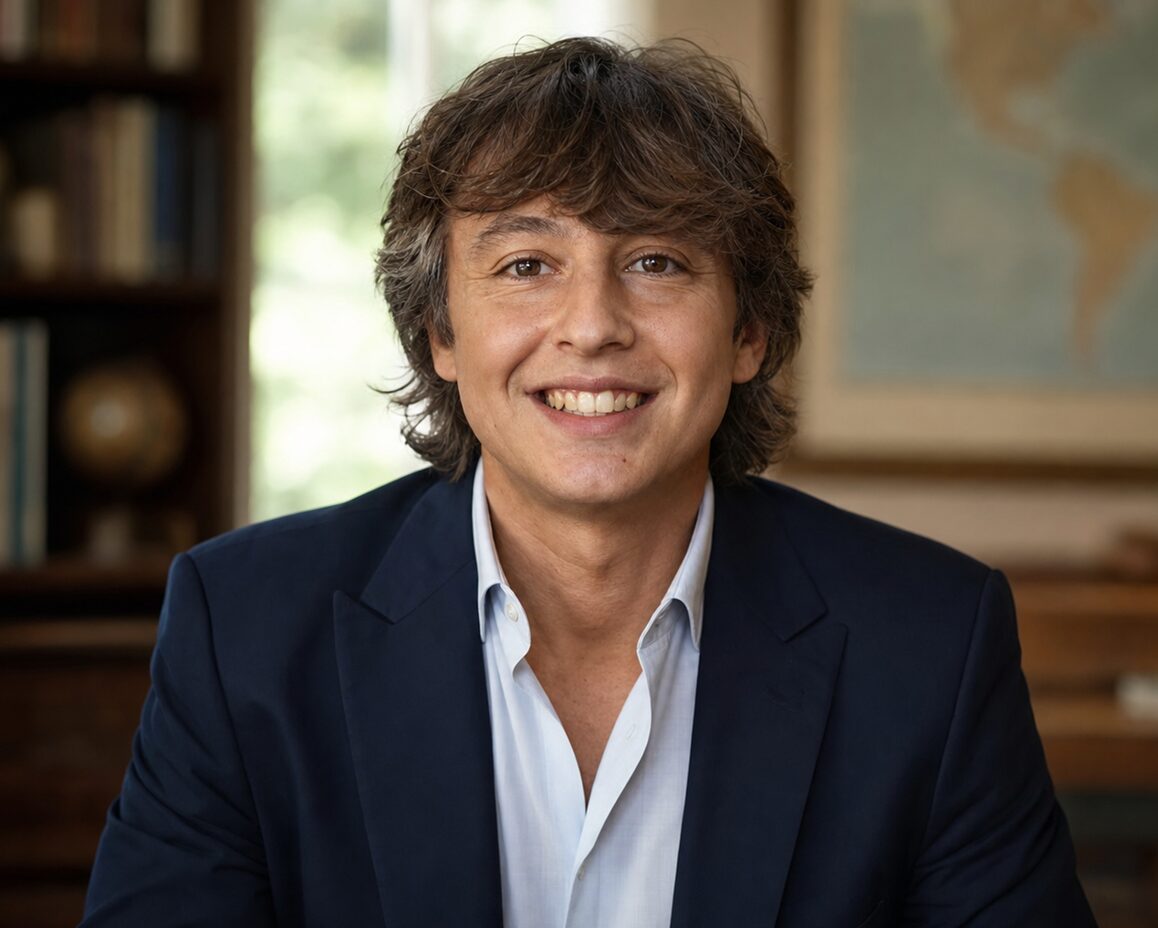
Meet Leo: The Heartbeat Behind ‘A Country A Month’
Journeying through the pages of A Country A Month, you might often feel the rhythm of a storyteller’s heartbeat, pulsating through each line, each image, and each adventure shared. That heartbeat belongs to none other than our remarkable website editor, Leo.
With a lens in one hand and a pen in the other, Leo seamlessly marries his passions for photography and writing. His eye captures moments that words can barely describe, yet his eloquence brings those images to life, transcending borders and connecting us all through shared stories. An avid traveler, every country he’s visited has added another chapter to his expansive tale, and through our platform, he generously shares these chapters with us.