The short answer: If you want to retire abroad on a budget without learning a new language, the Philippines is the standout: English is an official language — the working language of the courts, hospitals, banks, and government forms — so you skip the single hardest part of moving overseas. On top of that, a comfortable single lives well for around $1,900–2,800 a month (a careful one for closer to $1,000), the retirement visa asks a pension most Social Security recipients already have, and the Philippines does not tax your US income. The honest catch is the distance, not the money.
Every guide to retiring in Thailand, Mexico, or France has a chapter about the language barrier — the classes, the apps, the patient years before you can argue with a plumber. This one doesn’t, because in the Philippines you don’t have that problem. You arrive already able to do the single hardest thing about moving to a foreign country: make yourself understood. Here’s why that changes the whole budget math. (Dollar figures use ₱60 = $1, the book’s 2026 rate.)
This draws on the introduction and cultural-adaptation chapters of No-Nonsense Guide to Retiring in the Philippines by Leo Sotropa — the softest cultural landing in Asia, dream and distance in the same breath.
The language advantage, and what it’s worth
Not “some people speak a little English at the hotels.” English is an official language of the Philippines — the language of the courts, the hospitals, the banks, the government offices, the university lectures, the road signs, and the menu at the little place on the corner. When you sit down with a doctor in Cebu, she takes your history in English. When you sign a lease in Dumaguete, the lease is in English. When you stand at a government counter holding a number, the form in your hand is in English, and so is the sign telling you which window to go to.
That single fact removes the exhausting cognitive tax that grinds down retirees in countries where they never quite understand what’s being said around them. You are not translating your life here; you are just living it. Look at what doesn’t appear in a Philippine retirement budget: a line for language classes, a translator, or the slow expensive years of not quite understanding your own affairs. In most countries that cost is real even when it never shows up as a number. Here it’s simply gone.
Why Americans adjust fast
The shared language is the biggest thing, but it’s layered over a deep American familiarity built by a century of shared history. American pop culture is woven through daily life — the basketball is the NBA, the Christmas songs are the ones you grew up on, the fast food is familiar. Many Filipinos have relatives in the States. The result is that you arrive already legible to the people around you, and they to you, so the culture shock that flattens people in less familiar destinations arrives here as a much gentler slope.
And you won’t be the first American to have this idea, which is a gift. There’s a large, established American and veteran community, and in places like Angeles City and Subic Bay it amounts to an instant social network — veteran organizations, familiar diners, and a crowd of people who made this same move and remember how the first months felt. If you’d rather immerse among Filipinos, gentler university towns like Dumaguete give you that with a warm, smaller expat circle on the side. See Retire in Cebu or Dumaguete? for the city options.
The budget, plainly
The dream is real and cheap. A comfortable single person lives well in Cebu for around $1,900–2,800 a month, and a careful one lives well in Dumaguete for closer to $1,000. The tiers, in short:
| Tier | Per month |
|---|---|
| Budget / provincial single | $800–1,200 |
| Comfortable single | $1,200–2,000 |
| Premium (upscale Cebu/Manila) | $2,000–3,000 |
What makes those numbers work isn’t deprivation — it’s cheap labor and cheap local food doing their quiet work. A full-time helper runs ₱6,000–15,000 a month ($100–250). A filling local meal is ₱150–300 ($2.50–5). A haircut costs a couple of dollars, a full-body massage less than a fast-food meal back home. The two lines to watch are electricity (aircon is the swing factor) and health insurance (which climbs with age). The full breakdown is in Cost of Living in the Philippines for Retirees.
The tax gift and the low visa bar
Two more reasons the budget stretches. First, the Philippines does not tax your US income — not your Social Security, not your pension, not your IRA withdrawals. It taxes resident aliens only on Philippine-source income, and the US–Philippines treaty makes Social Security taxable only in the United States. A retiree living on American income typically owes the Philippine government ₱0. (You still file a US 1040 and, likely, an FBAR.)
Second, the retirement visa is within reach. The SRRV asks for a verifiable lifetime pension of just $800/month for a single applicant ($1,000 for a couple) to qualify for the friendlier deposit tier — below a typical Social Security check. The deposit itself ($15,000 for the 50-plus, with-pension Classic tier) is your money and is recoverable. Details in The Philippines SRRV Retirement Visa guide.
The daily life the language unlocks
The shared language doesn’t just remove friction; it changes the texture of ordinary days. Healthcare is the clearest example. When you sit across from a doctor in a good Manila or Cebu hospital, the conversation happens in fluent, medically precise English, very often with a physician who trained in the United States. Even when you’re paying cash, you’re a fully informed participant in your own treatment rather than a confused passenger — worth real money that never shows up on a premium table. Contrast that with describing a strange chest pain through a translation app in another country’s clinic.
The same ease runs through the rest of life. Filipino warmth is genuine and constant — you’ll be invited to things, fed by neighbors, helped by strangers — and because you can actually talk, those openings become friendships rather than pleasant mysteries. The pace is gentler too (the party that starts at 6 begins in earnest at 8), the year runs on a calendar of Catholic fiestas that cost almost nothing to join, and the food, from pocket-change mangoes to communal lechon, is a daily pleasure. It adds up to the softest cultural landing in Asia, and the language is why. See Living in the Philippines on a Fixed Income for what the day-to-day actually feels like.
The one social skill to pack
There’s a mindset the English ease doesn’t hand you, and it’s worth naming plainly: you will be seen as wealthy. Compared with a typical Filipino household, on a US pension, you very likely are, and that perception shapes some pricing, some requests for help, and — at the serious end — the romance scams that target lonely retirees with a steady income. The answer is not suspicion of everyone, which would poison the very warmth that makes the place wonderful. It’s clear, calm money boundaries, held consistently: keep your financial details close, deflect the “how much is your pension?” question lightly, be generous in small culturally normal ways while being unmovable when a story is engineered to separate you from your money. Set those boundaries early and you get to relax into genuine friendships without a nagging worry underneath.
The honest catch: distance, not money
Because this book tells the dream and the truth in the same breath, here’s the truth. The Philippines is far. There are no nonstop flights from the US East Coast; even from the West Coast it’s 14–16 hours in the air and 20-plus door to door. At UTC+8 you’re 12–16 hours ahead, so when it’s dinnertime with your grandchildren, it’s the middle of your night. You can stay close — millions of families do, with reliable fiber and a standing weekly video call — but it takes more effort, money, and planning than it would from Mexico or Panama.
Two more truths shape the plan. The Philippines is disaster-exposed — around twenty typhoons enter its waters a year, plus earthquakes and active volcanoes — though the risk is geographic and managed with location and a go-bag. And as a foreigner you cannot own land; you can own a condo unit or hold a long-term lease, but not a deed to the ground. None of these is a dealbreaker. They’re the honest counterweights to a genuine bargain, and the retirees who face them squarely are the ones whose move holds up.
Who this is really for
This fits the ordinary American who did the math on staying put and didn’t like the answer — someone with Social Security, maybe a modest pension, who suspects the same check that feels tight in Phoenix might feel generous somewhere warmer. It’s especially for the person quietly intimidated by learning a language at sixty-eight, and for veterans, for whom the Philippines may be the most rewarding retirement destination on earth (see the veteran’s guide). It’s not for the person who can’t bear distance from family, or who needs to hold title to a house on land. Hold two ideas at once — that a place can be both a genuine bargain and a genuine adjustment — and read on.
Want the full case, three worked budgets, and the honest chapters on distance and disaster? It’s all in No-Nonsense Guide to Retiring in the Philippines.
FAQ
What is the cheapest English-speaking country to retire in?
The Philippines is among the strongest options: a careful single lives well for close to $1,000 a month, a comfortable one for $1,900–2,800, and English is an official language, so there’s no language barrier and no translation cost.
Do they really speak English in the Philippines?
Yes — English is an official language and the working language of government, medicine, banking, and business. You’ll handle a doctor’s visit, a lease, and a bank dispute entirely in English. A few phrases of Tagalog or Bisaya buy goodwill but aren’t needed for daily life.
Can I retire abroad on a small budget?
In the Philippines, yes. A budget provincial single life runs $800–1,200 a month, inside a typical Social Security check, and the retirement visa’s pension bar is just $800/month. Your main planning task is a healthcare plan that fits the check.
What’s the downside of retiring in the Philippines?
The distance from family (no nonstop East Coast flights, a flipped time zone), the disaster exposure (typhoons, earthquakes), and the fact that foreigners can’t own land. All are manageable, but they’re the honest trade for the affordability and the shared language.
Keep reading: Cost of living for retirees · Living on a fixed income · The complete guide to retiring in the Philippines
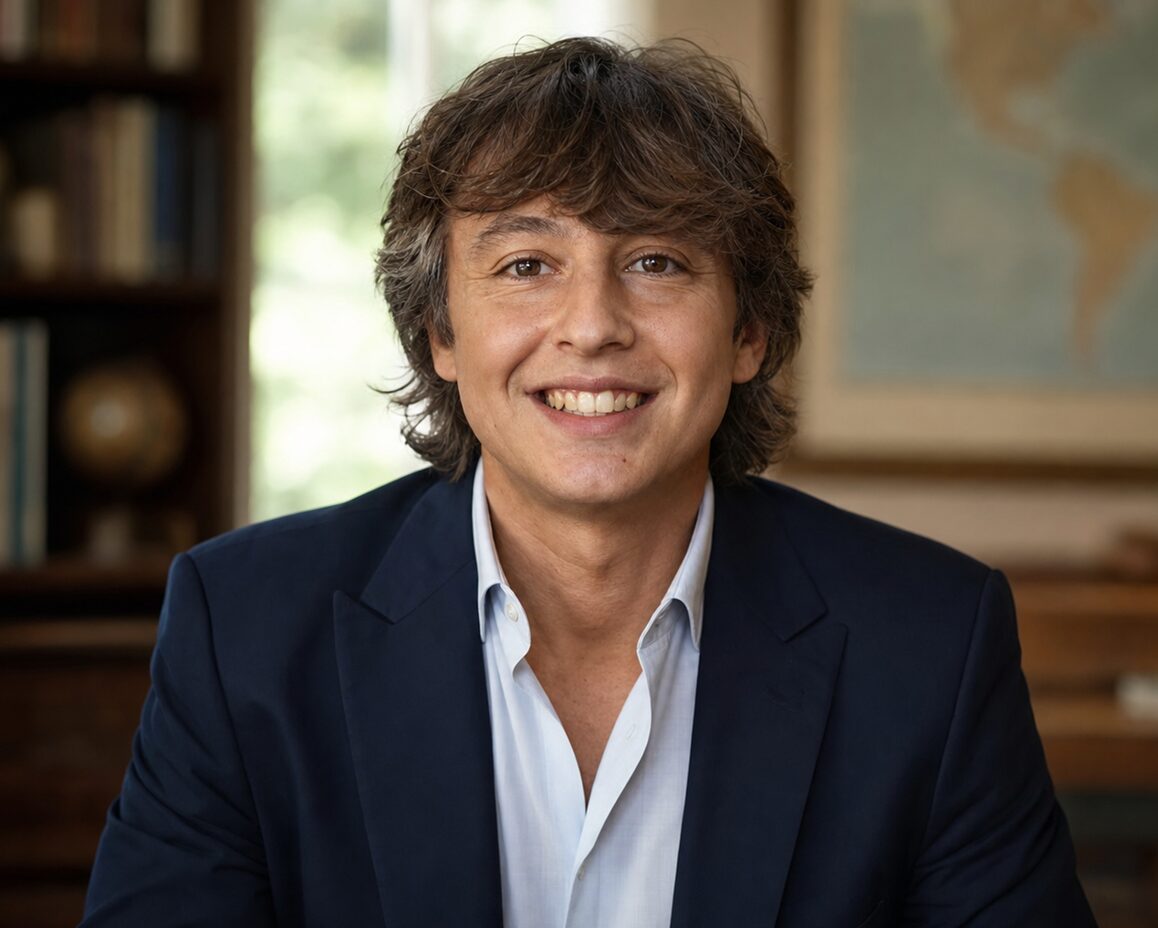
Meet Leo: The Heartbeat Behind ‘A Country A Month’
Journeying through the pages of A Country A Month, you might often feel the rhythm of a storyteller’s heartbeat, pulsating through each line, each image, and each adventure shared. That heartbeat belongs to none other than our remarkable website editor, Leo.
With a lens in one hand and a pen in the other, Leo seamlessly marries his passions for photography and writing. His eye captures moments that words can barely describe, yet his eloquence brings those images to life, transcending borders and connecting us all through shared stories. An avid traveler, every country he’s visited has added another chapter to his expansive tale, and through our platform, he generously shares these chapters with us.