The short answer: Yes — for a great many Americans, Social Security isn’t part of the plan for retiring in the Philippines, it is the plan. A single retiree lives a full life in a town like Dumaguete on a lean budget around $900 a month, comfortable around $1,450 — inside a typical solo check, with a maid, meals out, and margin left over. Your benefit does double duty: it funds the life and it clears the SRRV visa’s pension bar of just $800/month. The one line that can break the math is health coverage, so plan that deliberately.
Affordability isn’t a feeling; it’s arithmetic you can do at your kitchen table. The Philippines is one of the few places left where a single modest pension buys margin instead of anxiety — and it removes the daily friction that grinds retirees down elsewhere, because English is an official language. Here are the real, sourced numbers on retiring here with Social Security as your foundation. (Dollar figures use ₱60 = $1, the book’s 2026 planning rate; the peso moves daily.)
This summarizes the Social Security and budgeting chapters of No-Nonsense Guide to Retiring in the Philippines by Leo Sotropa — three worked budgets, the tax treaty, and the delivery mechanics, all sourced.
A real solo budget: Gloria in Dumaguete
Meet Gloria, 67, a retired schoolteacher of thirty-one years whose Social Security comes to a little under $1,900 a month. She lives alone in Dumaguete, the small university town on Negros known as “the city of gentle people,” in a one-bedroom a few blocks from the seafront boulevard. She keeps no car — a tricycle across town costs a dollar or two, and she takes a Grab when it rains. Here is her month, lean and comfortable:
| Line item | Lean | Comfortable |
|---|---|---|
| Rent (one-bedroom) | $250 | $400 |
| Utilities (moderate aircon) | $75 | $110 |
| Groceries | $190 | $250 |
| Eating out | $80 | $160 |
| Part-time helper | $55 | $90 |
| Transport (tricycle + Grab) | $45 | $70 |
| Phone + home fiber | $40 | $55 |
| Healthcare (PhilHealth + out-of-pocket) | $85 | $130 |
| Everything else + travel fund | $80 | $185 |
| Total | ~$900 | ~$1,450 |
Her Social Security check alone covers the comfortable version with room to spare, and her modest savings sit mostly untouched — exactly the cushion she wanted and never had at home. She is not surviving on her check; she is living a full, sociable, dignified life on it. That is the promise of the Philippines delivered in one person’s ledger.
Your check clears the visa bar
Here’s the part that quietly reassures people who assume the paperwork will be the wall that stops them: the SRRV retirement visa’s pension pathway asks for a verifiable lifetime pension of just $800/month for a single applicant (₱48,000), or $1,000/month for a couple (₱60,000), to qualify for the friendlier deposit tier. A typical solo Social Security check is well above $800. Gloria qualified for the lower $15,000-with-pension deposit without a second thought.
So your benefit does double duty: it funds the daily life and it unlocks the visa. Bring your Social Security award letter and benefit-verification documents — they are your proof of the pension bar. The full visa mechanics, including the deposit that trips people up emotionally (it’s your money, and it’s recoverable), are in The Philippines SRRV Retirement Visa guide.
The tax gift: the Philippines doesn’t touch it
This is where the Philippines quietly outshines a lot of destinations. The Philippines does not tax your US Social Security. Not a peso. This is not a loophole; it’s the plain result of two things working together. First, the Philippines taxes resident aliens — which is what you become — only on Philippine-source income, and your Social Security is US-source, so it sits outside the Philippine tax net entirely. Second, the US–Philippines tax treaty (signed 1976, in force since 1982) addresses it directly: under Article 19, Social Security is taxable only in the United States.
So the money arrives whole, as far as the Philippine government is concerned. You will still file your US Form 1040 every year, because the United States taxes its citizens no matter where they live, and living abroad adds an FBAR disclosure if your foreign accounts top $10,000 combined at any point. But those are administrative, not expensive. Locally, your check is untouched — one of the strongest financial arguments the country makes. The full picture is in Cost of Living in the Philippines for Retirees.
Getting the check delivered
You have two clean ways to receive your benefit, and many people blend them. The first is direct deposit straight into a Philippine bank account. The Social Security Administration can deposit into a major Philippine bank using form SSA-1199-OP77, the Philippines-specific enrollment. The Federal Benefits Unit at the US Embassy in Manila — the office that handles Social Security for Americans here — can help you file it. Your dollars convert and land in pesos, ready to spend where you live.
The second is to keep the benefit flowing to a US account and move money over yourself through a service like Wise, which gives you close to the real mid-market rate for a fee usually under one percent. This keeps a foot in the US financial system and lets you control the timing of your conversions. You’re not a pioneer either way: the Philippines is one of the largest overseas destinations for Social Security beneficiaries anywhere, so this is a well-worn path with real institutional support behind it.
Couples, survivors, and the honest math
For couples, the arithmetic is a little tighter but still very workable, especially where two benefits combine. A couple can go car-free in a lower-cost town and live comfortably; a couple relying on a single benefit will feel it more and should budget carefully. Two Social Security features matter twice over for a shared life here. Spousal benefits can let a lower-earning spouse draw on the other’s record. Survivor benefits mean that when one spouse dies, the other may step up to the larger of the two benefits rather than losing the smaller one. A widow or widower in a gentle, low-cost town on a single survivor benefit is exactly the person for whom this country’s affordability is a mercy — worth understanding in advance.
On when to claim: living here doesn’t change the rules, but it can change the calculus. If you plan to live primarily on the check, a larger monthly benefit from delaying (up to age 70) is worth more here, because every extra dollar buys more life in a low-cost economy. This is general information, not advice — run your own numbers with the SSA and a cross-border professional.
The one line that can break it
“Can you live on Social Security” honestly resolves to “yes, provided you have a plan for healthcare that fits the check.” Medicare pays nothing in the Philippines, so non-veterans bridge the gap two ways. If you arrive young enough (before roughly 60–65), a cheap local HMO plan may still take you. If not, you face either an international plan — genuinely expensive and rising with age — or self-insurance: a funded medical reserve backstopped by cheap PhilHealth (about ₱15,000/year for SRRV holders), leaning on the low cash prices of Philippine care.
Gloria does exactly this. A full international plan would eat an unreasonable share of her check, and she arrived after the local-HMO window had mostly closed, so she carries PhilHealth, keeps a dedicated medical reserve she doesn’t touch, and self-insures against the rest. For a healthy 67-year-old with modest means, that’s a defensible plan — and it’s the one a great many solo retirees here actually run. If you served, the picture flips entirely: TRICARE and the VA carry your healthcare, and your check goes far. See Retiring in the Philippines as an American Veteran.
Protecting the check
One frank note, because it belongs in a chapter about your lifeline: you will be seen as wealthy here, and a reliable foreign income marks you. That reality shapes some of the risks — the “how much is your pension?” probing, the fast friendships, the romance scams aimed at lonely retirees. None of it should scare you off, but all of it argues for keeping your financial details close, setting clear money boundaries early, and treating your benefit as the private foundation of your life rather than a subject of conversation. Answer the pension question vaguely and cheerfully. The check is the thing that makes the dream affordable; guard it accordingly.
Want all three worked budgets, the delivery mechanics, and the full claiming and survivor discussion? It’s in No-Nonsense Guide to Retiring in the Philippines.
FAQ
Can I retire in the Philippines on Social Security alone?
For many people, yes. A single retiree lives well in a town like Dumaguete on a lean budget around $900 and comfortable around $1,450, inside a typical solo check. The deciding variable is your healthcare plan, not your appetite for pleasure.
Does the Philippines tax my Social Security?
No. It taxes resident aliens only on Philippine-source income, and the US–Philippines treaty makes Social Security taxable only in the United States. You will still file US taxes and likely an FBAR.
How do I get my Social Security check in the Philippines?
Either direct-deposit into a Philippine bank via form SSA-1199-OP77 (the Federal Benefits Unit in Manila helps), or keep it in a US account and move money over with Wise. Many retirees do a blend.
Is my Social Security enough to qualify for the retirement visa?
Very likely. The SRRV’s pension bar is $800/month single ($1,000 couple), below a typical Social Security check, which qualifies you for the lower deposit tier.
Keep reading: Cost of living in the Philippines for retirees · The SRRV retirement visa guide · The complete guide to retiring in the Philippines
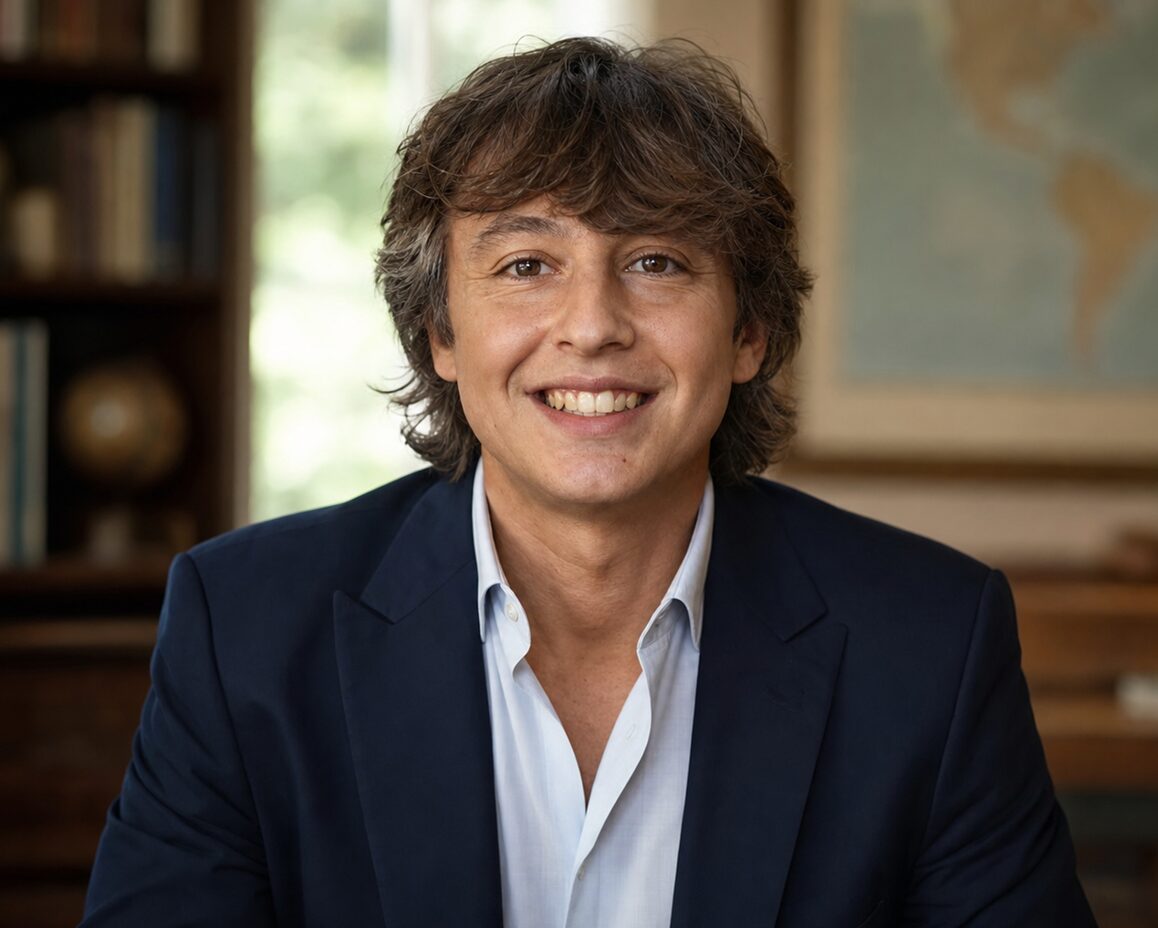
Meet Leo: The Heartbeat Behind ‘A Country A Month’
Journeying through the pages of A Country A Month, you might often feel the rhythm of a storyteller’s heartbeat, pulsating through each line, each image, and each adventure shared. That heartbeat belongs to none other than our remarkable website editor, Leo.
With a lens in one hand and a pen in the other, Leo seamlessly marries his passions for photography and writing. His eye captures moments that words can barely describe, yet his eloquence brings those images to life, transcending borders and connecting us all through shared stories. An avid traveler, every country he’s visited has added another chapter to his expansive tale, and through our platform, he generously shares these chapters with us.