The short answer: Yosemite’s two gentlest wonders are also two of its greatest — but timing is everything. The waterfalls peak in spring, roughly April through June, when snowmelt has Yosemite Falls (about 2,425 feet in three tiers, among the tallest in North America), Bridalveil, Vernal, and Nevada Falls thundering; by late summer many run thin or dry out entirely. The giant sequoias of the Mariposa Grove — home to the venerable Grizzly Giant and among the largest living things on Earth — stand year-round, reached by a seasonal shuttle from the South Entrance. Come for the falls in spring and the trees any time the road is clear, walk gently around the sequoias’ shallow roots, and never go near the water above a fall.
If the granite walls are Yosemite’s drama, the waterfalls and the giant sequoias are its poetry — and both reward a little knowledge of the calendar. The falls are a seasonal spectacle that surprises visitors every year when they arrive in August to find a dry cliff. The sequoias stand through every season but hide behind a seasonal shuttle and a road that comes and goes. Here is when each is at its best, the easy walks that reach them, and the safety and stewardship that keep both worth protecting.
This draws on the signature-sights and hiking chapters of The Ultimate Guide to Yosemite National Park by Leo Sotropa — every waterfall and grove with the season, the walk, and the honest hazards.
When the waterfalls run — and when they don’t
This is the single most important thing to know before you plan a waterfall trip: Yosemite’s falls are seasonal. They thunder in spring as the Sierra snowpack melts, roughly April through June, when the whole valley echoes with falling water. As summer settles in they quiet down, and by late summer several of the famous ones are reduced to a dark stain on the cliff or gone entirely until the next rains. Yosemite Falls is typically dry by August; Bridalveil, fed differently, usually keeps a thin flow later than most.
So if roaring water is your reason for coming, come in the melt — and accept that the trade-off is a busier valley and that Glacier Point Road and Tioga Road may still be closed by snow. One paradox to respect: the same runoff that makes the falls spectacular makes the rivers most lethal, cold and swift and pushy, so this is the season to admire the water rather than get in it. And know that Yosemite runs on the winter that preceded your visit — a heavy snow year keeps the falls roaring longer, a light one quiets them earlier.
The waterfalls, and the easy walks to each
- Yosemite Falls plunges about 2,425 feet in three tiers, making it one of the tallest waterfalls in North America, and full in spring it is a roar you can hear across the valley. The easiest encounter is the paved Lower Yosemite Fall loop, about a mile round trip to the misty base, served by the free valley shuttle. For the big day, the strenuous Upper Yosemite Fall trail (about 7.2 miles round trip, ~2,700 feet) climbs to the very top and the valley rim.
- Bridalveil Fall is the graceful ribbon at the valley’s mouth — the one on the right at Tunnel View — reached by a short paved path of about half a mile. Because it pours from a hanging valley left by the glaciers, it seems to drift rather than fall, feathering into mist and swaying in the wind that gives it its name. It flows through much of the year, which makes it the reliable choice when the bigger falls have gone quiet.
- Vernal and Nevada Falls are the pair on the Mist Trail, the park’s beloved signature hike. A granite staircase climbs alongside Vernal Fall (about 2.4 miles round trip to the top, ~1,000 feet of climbing), and in spring the spray soaks you to the skin, hence the name and the rainbows. Continue above Vernal to reach Nevada Fall for a longer day of about 5.4 to 7 miles. The steps are lethally slick when wet, so wear grippy shoes, use the railings, and never wade or swim above either fall.
- Wapama Falls at Hetch Hetchy, in the park’s quiet northwest, delivers big spring water with a fraction of the valley’s crowds — a fine day hike and a chance to reflect on the reservoir that flooded a valley some once compared to Yosemite itself.
One rule overrides all the beauty: never swim or wade above a waterfall. The smooth, slow-seeming water just above a lip is the most dangerous place in the park — no dramatic whitewater to warn you, just a gentle current over polished rock and, a short way downstream, a drop of hundreds of feet. Every railing and warning sign marks a place where someone was lost.
The giant sequoias of the Mariposa Grove
In the park’s south, near the South Entrance, stands the Mariposa Grove, Yosemite’s grand cathedral of giant sequoias — among the largest living things on Earth. Standing at the foot of one of these trees is a humbling recalibration of scale; they are so broad and so tall that the mind refuses to take them in at first. The headliner is the Grizzly Giant, a tree of staggering bulk and age, along with the walk-through California Tunnel Tree.
You reach the grove from the South Entrance Welcome Plaza, and in the busy season a shuttle carries you to the trailheads, since the small grove lot fills early and private cars are limited — so check the current arrangement. Trails range from a short Big Trees Loop to longer wanders of a couple of miles among the giants (the Grizzly Giant route is roughly 2 miles round trip); give it a half day. Best timing is late spring through fall, when the shuttle runs and the road is clear. The grove sits about an hour from the valley, so it pairs naturally with a night in Wawona or the southern gateway towns. For solitude, the smaller Tuolumne and Merced Groves see a fraction of the visitors and reward those willing to seek them out.
Tread gently here. The sequoias have famously shallow roots and dislike trampled soil, so stay on the boardwalks and trails and keep off the ground around their bases. The grove was restored in 2018 — the park ripped out old roads and a parking lot from among the big trees to give the shallow-rooted giants room to breathe, which is why you ride the shuttle in now instead of driving to the trunk. And fire, it turns out, is not the enemy of a sequoia but part of how the grove stays healthy, clearing brush and helping the cones release their seeds; if you smell woodsmoke from a prescribed burn, that is a forest being kept healthy on purpose, a science Yosemite helped pioneer.
Want the full waterfall-by-waterfall and grove-by-grove guide, with the best light, the quieter alternatives, and the safety detail on every one? It is all in The Ultimate Guide to Yosemite National Park by Leo Sotropa.
A word on the February firefall
Yosemite’s most theatrical waterfall moment is not a spring one at all. For roughly two weeks in mid-to-late February, if Horsetail Fall on the east flank of El Capitan is flowing and the western sky is clear at sunset, the light strikes the water at just the right angle and makes it glow like molten lava — the famous “firefall.” It needs water in the fall, a clear horizon, and precise timing, so it does not perform every evening or every year. It is a photographers’ pilgrimage that draws serious crowds to an otherwise empty winter park, often with parking or access controls near the viewing areas, so arrive very early, dress warmly, and treat any glow as a bonus. As of the 2026 season no separate reservation was required for it, but that is exactly the kind of detail to confirm on nps.gov before you go [VERIFY].
Planning around the two seasons
The clean way to think about it: come for the waterfalls in spring (April through June), when the falls roar but the high roads may still be closed; come for the giant sequoias any time the grove road and shuttle are running (roughly late spring through fall); and if you want both the falls and the open high country in one trip, target late May into June. Whatever the season, start early to beat the crowds at the Lower Yosemite Fall loop and the Mariposa Grove shuttle, and store all your food in the bear lockers — the rule applies everywhere, trailheads and grove alike.
FAQ
When is the best time to see Yosemite’s waterfalls?
Spring, roughly April through June, when the snowmelt has the falls at their peak. Yosemite Falls is typically dry by late summer, while Bridalveil holds a thin flow later. If waterfalls are your main reason for coming, plan for the melt and accept a busier valley.
Where are the giant sequoias in Yosemite?
The Mariposa Grove near the South Entrance is the big one, home to the Grizzly Giant, reached by a seasonal shuttle from the South Entrance Welcome Plaza. The smaller Tuolumne and Merced Groves near the western entrances offer sequoias with far fewer people.
What is the easiest waterfall walk in Yosemite?
The paved Lower Yosemite Fall loop (about 1 mile) reaches the thundering base of the falls in spring, and the short Bridalveil Fall path (about 0.5 mile) leads to a fall that flows much of the year. Both are served easily from the valley and suit strollers and small legs.
Can you see the sequoias in winter?
The trees stand year-round, but the Mariposa Grove road and shuttle follow their own seasonal schedule, and access can be limited by snow. Check current road and shuttle status at nps.gov before you plan a winter visit to the grove [VERIFY].
Keep reading: Half Dome and the best hikes in Yosemite · Things to do in Yosemite Valley · The complete Yosemite guide
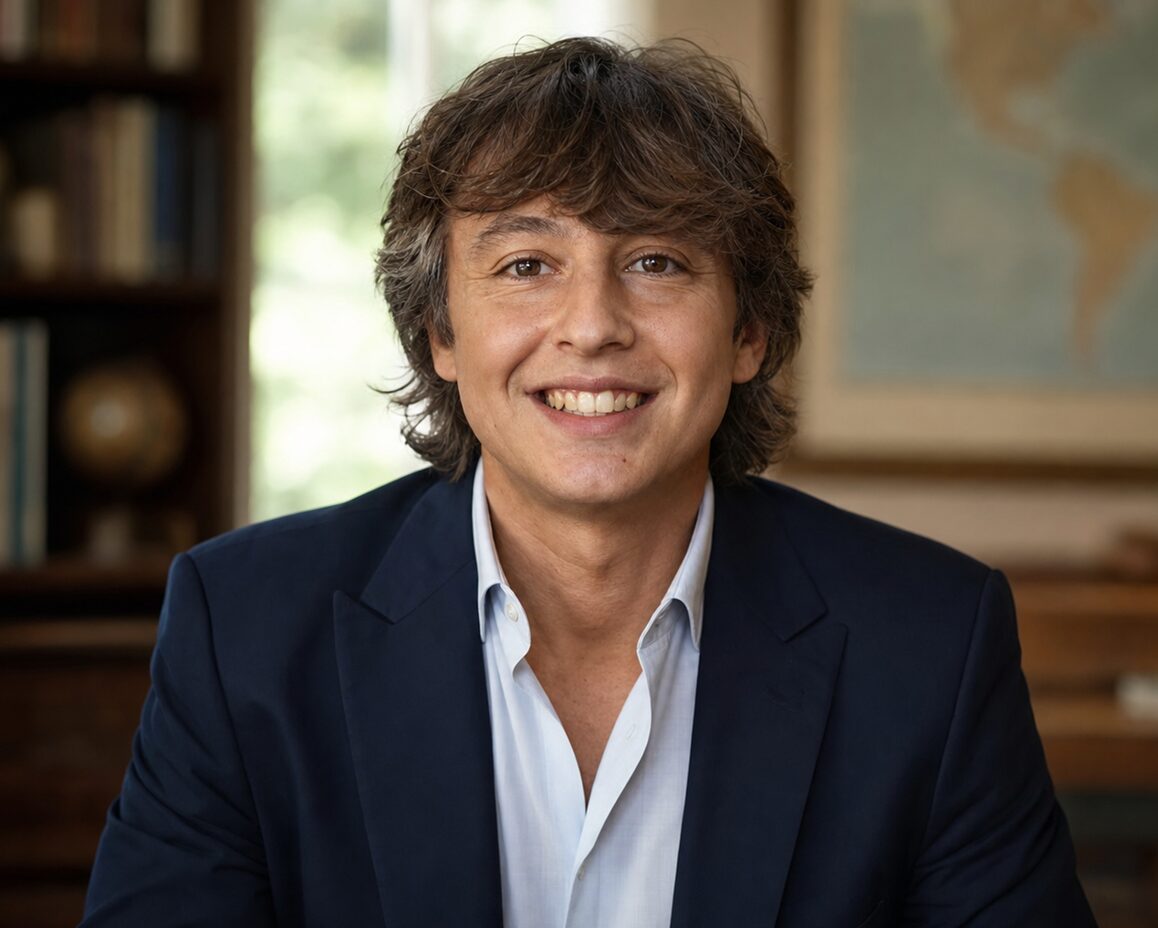
Meet Leo: The Heartbeat Behind ‘A Country A Month’
Journeying through the pages of A Country A Month, you might often feel the rhythm of a storyteller’s heartbeat, pulsating through each line, each image, and each adventure shared. That heartbeat belongs to none other than our remarkable website editor, Leo.
With a lens in one hand and a pen in the other, Leo seamlessly marries his passions for photography and writing. His eye captures moments that words can barely describe, yet his eloquence brings those images to life, transcending borders and connecting us all through shared stories. An avid traveler, every country he’s visited has added another chapter to his expansive tale, and through our platform, he generously shares these chapters with us.