What does a Western Mediterranean cruise on Celebrity Xcel actually ask of you? Discipline. The itinerary hands you Barcelona, Palma de Mallorca, Provence, the French Riviera, Florence and Pisa, Rome, Naples and Ajaccio in a single week or so, and every one of those names could swallow a whole trip on its own. The travelers who come home happy are the ones who stopped trying to see everything and instead picked two things per port, booked their timed tickets in advance, and treated the ship as the calm center of a fast, hot, crowded region. This guide walks each port in order, tells you which sights sit inland and need a train or tour, and marks the ports you can simply walk off the ship into.
Everything in this article and far more, deck by deck, in The Ultimate Guide to Sailing on Celebrity Xcel.
Get the book →The shape of the season
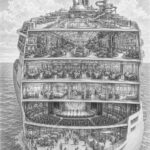
Celebrity Xcel is the fifth and newest Edge-Class ship, a stretched-hull sister carrying about 3,260 guests at double occupancy across roughly 17 guest decks, and her marquee season is the Western Mediterranean. She sails round-trip from Barcelona and from Civitavecchia (the port for Rome), typically on seven- to eleven-night voyages, with longer sailings pushing further east. The ports rotate by itinerary, so the exact list on your voyage may differ from a friend’s — confirm the schedule and any port changes in the Celebrity app before you plan a single excursion.
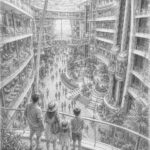
Xcel does something no other ship in the fleet attempts: her stern venue, the Bazaar, is built to change with the region she sails, transforming into a Mediterranean identity for the European season with stalls, lanterns, cooking and roaming performers. It means the ship itself leans into the culture you’re visiting, which is a pleasant reinforcement after a day ashore rather than a distraction from it. If you want the full rundown of that space, the Bazaar and what makes this ship different is worth a read before you sail.
The Mediterranean rule: pick two per port
Here is the single most useful habit for this itinerary. In each port, choose two experiences and let everything else go. A port day realistically gives you six to eight hours ashore once you account for tendering, the walk or drive to town, lunch, and getting back before all-aboard. Rome tempts you with the Colosseum, the Vatican, the Forum, the fountains and four neighborhoods — you will do two of those well or five of them badly. The same math applies everywhere. Two anchors per port, chosen the night before, keep the day from dissolving into a march between ticket lines.
The second rule is timed entry. The headline sights in this region — the Sagrada Família, the Uffizi, the Vatican Museums — sell timed tickets that genuinely sell out, and turning up without one can mean a two-hour queue or no entry at all. Book those the moment your voyage is confirmed, not the week before. A ship’s excursion bundles the ticket and the transport and guarantees you’re back on time; an independent plan is cheaper and more flexible but puts the all-aboard clock entirely on you. Neither is wrong. Just decide which one you’re running before you step off.
Barcelona — your embarkation city, and worth extra days
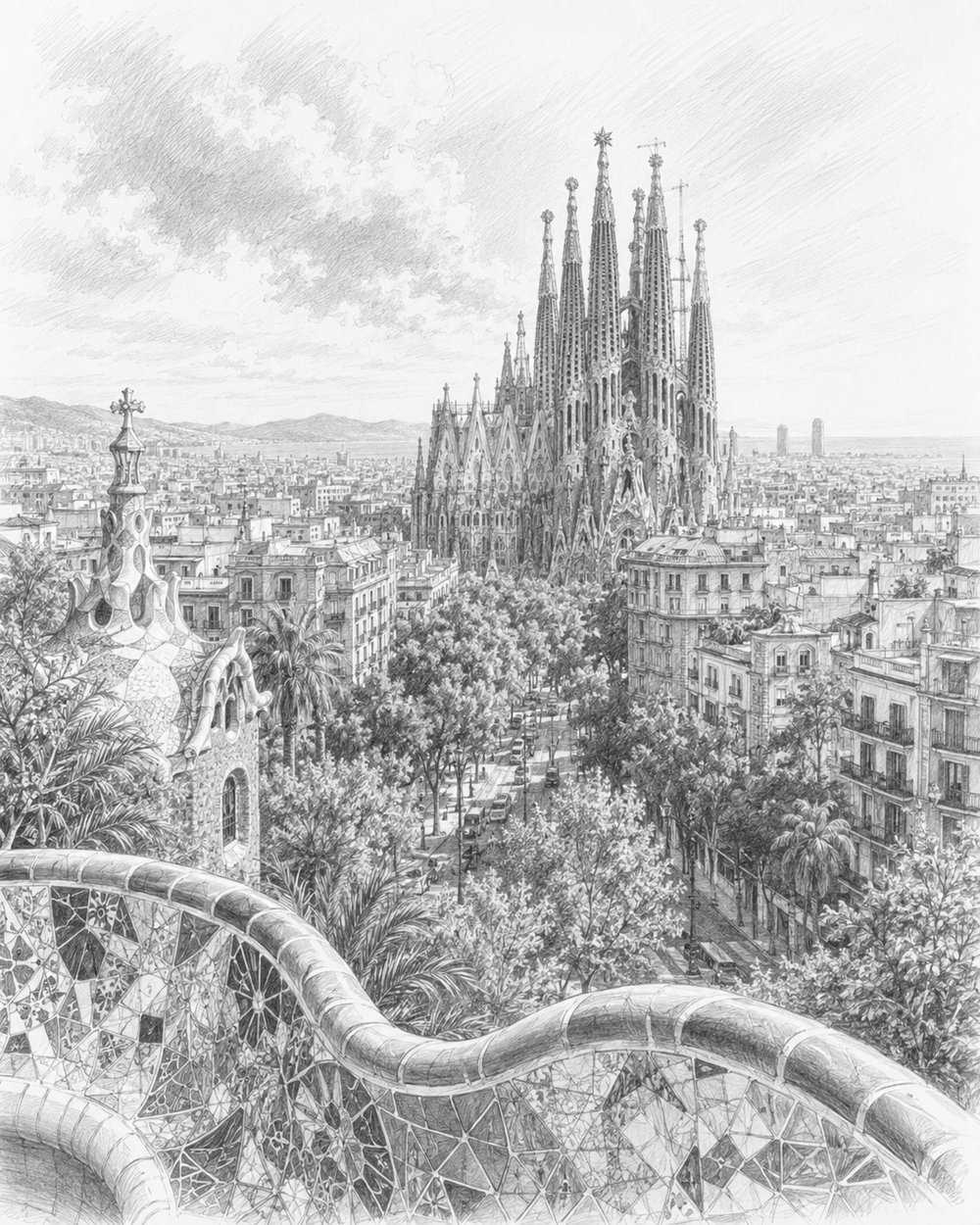
Most voyages begin here, and Barcelona rewards anyone who flies in a day or two early. The city’s marquee sights — the Sagrada Família, the Gothic Quarter, La Boqueria market and Park Güell — cannot be done justice in the few hours before you board, and the Sagrada Família in particular needs a timed ticket bought well ahead. If you only have the embarkation morning, walk the Gothic Quarter and La Boqueria, which sit close together and need no ticket; save Gaudí’s basilica and Park Güell for the pre-cruise days you should have built in.
Practically, arriving early also buffers you against flight delays, which is the one thing that can end a cruise before it starts. Board rested rather than frazzled. If this is your first Celebrity sailing, the first-timer’s guide to Celebrity Xcel covers embarkation day and how Always Included works so you’re not learning the ship on the fly.
Palma de Mallorca — the easy walk-in port
Palma is the port to exhale in. The ship docks close enough that the old town and La Seu, the great sandstone cathedral that dominates the waterfront, are a straightforward walk — no tender, no train, no tour required to see the best of it. Walk to La Seu, wander the lanes of the old town behind it, find a café, and let this be the low-effort day the itinerary needs. You can add a beach or a short taxi to a nearby cove if you want more, but the honest advice is to keep Palma simple. After a big inland day, an easy walk-in port is a gift, not a wasted stop.
This is also a good day to enjoy the ship while it’s quiet. With most guests ashore on the harder ports, the Solarium, the Rooftop Garden and the pool deck breathe. On an easy port like Palma, going ashore for the morning and coming back to a near-empty ship for the afternoon is one of the smartest rhythms on the whole voyage.
Marseille and Provence — the coast or the countryside
Marseille forces an early choice: stay on the coast or head inland. The Old Port (Vieux-Port) is walkable and full of life, and a coastal day here is genuinely satisfying with no tour needed. But Marseille is also the gateway to Provence, and day trips to Aix-en-Provence, Arles, and the lavender country are the reason many people book this port at all. Those inland towns need a tour or a train and a real commitment of driving time, which means Provence is a one-anchor day — you pick a direction and give it the whole day rather than trying to fold the Old Port into it as well.
If it’s your first time in the region, the Old Port and a market lunch is the lower-risk call; the countryside is spectacular but eats hours in transit and lives or dies on the season for the lavender. Decide the night before and book accordingly.
Cannes and the French Riviera — a tender port
Cannes is a tender port, and that word should shape your whole plan for the day. When the ship anchors offshore and ferries guests in by tender, you lose time at both ends and you’re at the mercy of the tender queue, so build in a buffer and never cut the return close. The town itself is easy once you land — the Croisette, the beach, the old town above the harbor — and that alone makes a fine, low-stress Riviera day on foot.
The temptation is to use Cannes as a launchpad to Antibes, Èze, Monaco or Nice, all of which are reachable and all of which are lovely. But every one of those adds train or road time on top of the tender, and the tender is the constraint that can strand you. If you’re going to range out to Monaco or Nice, treat it as a guided-tour day where the operator is responsible for getting you back to the last tender, or keep it to one destination and watch the clock like a hawk. If you’d rather not gamble with tendering at all, staying in Cannes is a completely legitimate choice.
Florence and Pisa — inland from Livorno, book the Uffizi
This is where the itinerary stops being a coastal stroll. The ship docks at Livorno, but the sights are inland: Florence is well over an hour away by road or rail, and Pisa’s Leaning Tower is in a different direction again. You cannot see the port town and get anything meaningful — the whole point of this stop is the drive inland, so treat it as a full-commitment day and choose your target before you dock.
Florence is the Renaissance in a day: the Duomo, the Ponte Vecchio, and above all the Uffizi, which you must book with a timed ticket ahead of time or you will not get in. Some travelers pair Florence and Pisa in one long day, and it can be done, but it turns into a transit-heavy sprint with little time in either. The calmer version is Florence alone, or Pisa and a Tuscan town if the tower is the thing you came for. Because Livorno is inland from everything you want, the all-aboard time matters more here than almost anywhere — a ship’s excursion or a reputable private tour that guarantees your return is the safer structure for a day this far from the pier.
Rome — the biggest day, pick two, book the Vatican ahead
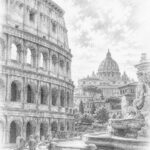
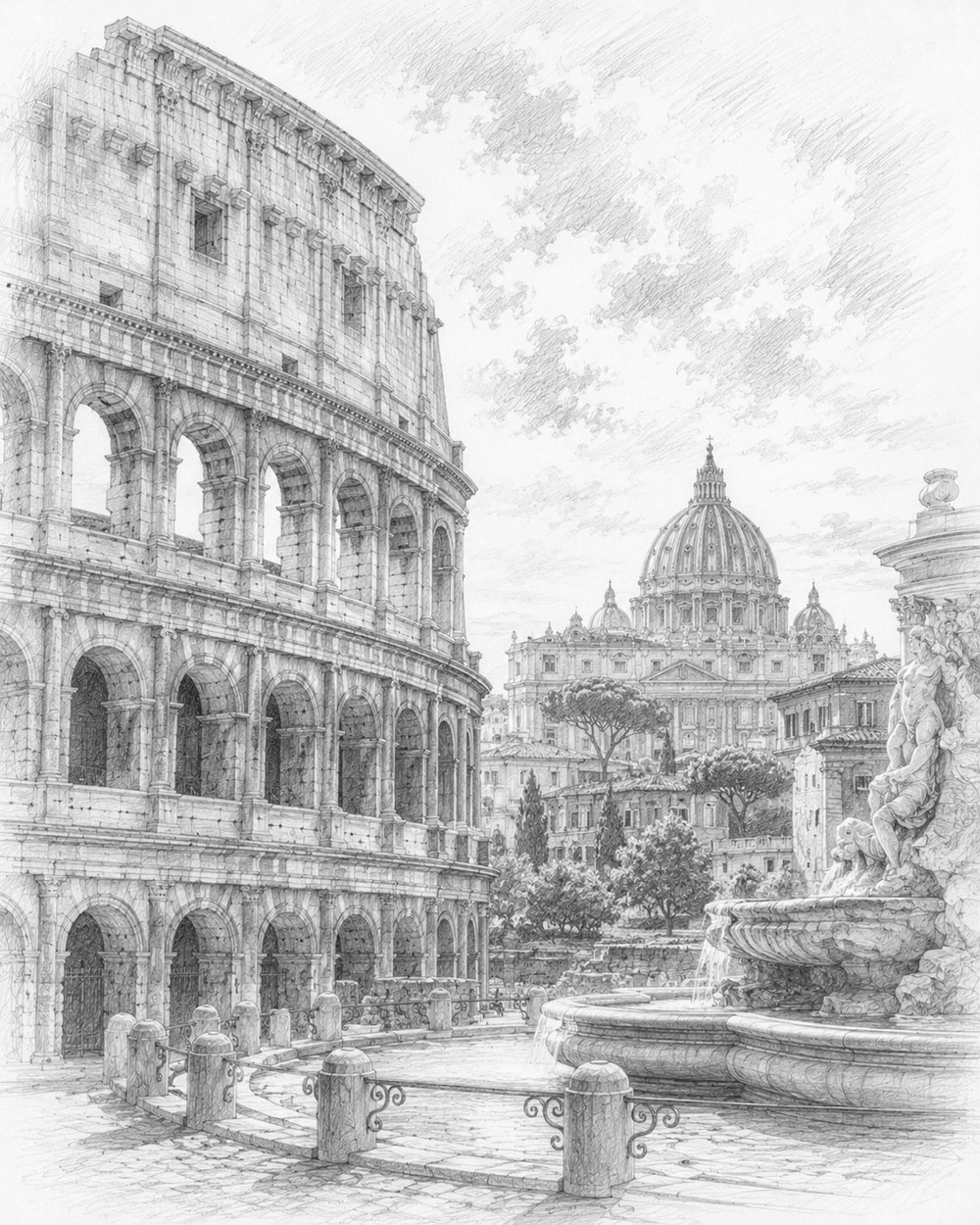
Rome is the day everyone overreaches. The ship docks at Civitavecchia, well over an hour from the city by train or road, so you lose a big chunk of the day to transit before you’ve seen a thing. Then Rome offers the Colosseum, the Vatican and the Forum — plus the Pantheon, the fountains and the neighborhoods — and there is simply not enough time. Pick two. The Vatican Museums must be booked ahead with a timed entry; the Colosseum and Forum sit together and pair naturally; the Vatican sits across the city and pairs with nothing else if you want to do it properly. Choosing your two the night before is what turns Rome from a stressful blur into a great day.
Because Civitavecchia is so far out, this is the port where the return clock is least forgiving. If the idea of managing trains and timed tickets across a foreign capital with a hard all-aboard deadline makes you anxious, this is the one day to hand the logistics to a ship’s tour. For a deeper look at how the two big Italian embarkation-and-anchor ports work, the guide to Barcelona and Rome as gateway ports is a useful companion.
Naples — Pompeii, Capri, Amalfi, and the best food in Italy
Naples is unusual on this itinerary because the port sits right in the city, so you can walk off and be among it immediately — but the famous day trips pull you away fast. Pompeii, the island of Capri, and the Amalfi Coast are all within reach, and each is a different kind of day: Pompeii is a reachable ruin you can tour and return from; Capri needs a ferry and rewards an early start; the Amalfi Coast is a stunning but slow drive that eats the whole day. Pick one direction. Trying to combine Capri and Amalfi in a single port stop is the classic Naples mistake.
And if you’re travel-weary by this point in the voyage, staying in Naples itself is no consolation prize — the historic center is walkable and the food is arguably the best in Italy, pizza where it was invented. A short day in the city and an early return to the ship is a perfectly good Naples.
Ajaccio, Corsica — the quiet one people fall for
Ajaccio is the port nobody books for and everybody remembers. Napoleon’s birthplace, a walkable old town, and beaches within easy reach make it the low-key, low-stress stop that balances the intensity of Rome and Florence. There’s no must-see with a two-hour queue here, no inland sprint — you can walk off, wander the old town, see the Bonaparte sites, and spend the afternoon on a beach without a single timed ticket. After the big Italian ports, Ajaccio’s whole appeal is that it asks nothing of you.
Treat it as a recovery day. This is the port to sleep in, take a slow morning, and go ashore without a plan more elaborate than lunch and the sea.
Which ports you can walk into, and which need a tour
The quickest way to plan this itinerary is to sort the ports by effort. Walk-in ports let you step off and see the best of them on foot; inland ports require a train, drive or tour to reach the sight you came for; and Cannes adds the tender wrinkle on top. Here’s the shape of it.
| Port | Access | Plan around |
|---|---|---|
| Barcelona | Walk-in for old town; timed ticket for Sagrada Família | Arrive early, extra days |
| Palma de Mallorca | Easy walk-in | Keep it simple |
| Marseille / Provence | Walk-in for Old Port; tour/train inland | Coast or countryside, not both |
| Cannes / Riviera | Tender port; walk-in once ashore | Tender queue and all-aboard |
| Florence / Pisa | Inland from Livorno; tour or train | Book the Uffizi; watch the clock |
| Rome | Inland from Civitavecchia; tour or train | Pick two; book the Vatican |
| Naples | Walk-in city; tour for Pompeii/Capri/Amalfi | Pick one direction |
| Ajaccio | Easy walk-in | Recovery day |
Heat, crowds, and the practical discipline of a Med summer
The summer Mediterranean is hot and busy, and both facts should change how you plan rather than just how you pack. Heat means starting early, carrying water, and building shade or an indoor sight into the middle of the day when the sun is worst. Crowds mean the timed-ticket sights are at their most crushing at midday, so a first-thing entry is not just cooler, it’s emptier. The ruins at Pompeii and the open squares of Rome offer little shade; plan the exposed sights for morning and save the interiors — churches, museums, the ship — for the afternoon.
Comfortable shoes are not optional here; nearly every port day is spent walking on stone and cobble. And respect the dress codes at religious sites — the Vatican and many Italian churches require covered shoulders and knees, and being turned away at the door after a long queue is a genuinely avoidable heartbreak. None of this is difficult, but the Med rewards a small amount of forethought more than almost any other cruise region.
Using the ship as your reset
The best thing about doing the Western Med on Xcel is that the ship is genuinely restorative between the hard days. Come back from Rome to the glass-domed Solarium, dinner in one of the four included main dining rooms, and a Bazaar dressed for the Mediterranean. Book a specialty night — Le Voyage by Daniel Boulud, Fine Cut, or Bora with its Amalfi-styled Sunset Bar — for a sea day or an easy port evening rather than after an exhausting inland marathon, when you’ll be too tired to enjoy it. If you want the full picture of the venues, cabins and daily rhythm, the complete Celebrity Xcel cruise guide lays it all out.
The most important habit of all is deciding tomorrow’s two anchors tonight. Sit down each evening, check the next port and its access in the Celebrity app, confirm your tickets and the all-aboard time, and choose your two things. That fifteen-minute ritual is what separates a Western Med cruise that felt like a chase from one that felt like a holiday.
Get the complete Celebrity Xcel playbook
Want every port, every venue and every timed-ticket decision mapped out before you sail? “The Ultimate Guide to Sailing on Celebrity Xcel” — part of the Ultimate Ship Guides series by Leo Sotropa — turns this whole itinerary into clear action steps in every chapter, so you board knowing exactly what to book and what to skip.
Frequently asked questions
Which Western Mediterranean ports can I walk into without a tour?
Palma de Mallorca and Ajaccio are easy walk-in ports where the best sights are a short stroll from the ship. Naples puts you right in the city on foot, and Barcelona’s Gothic Quarter and Marseille’s Old Port are walkable too. The sights that need a tour or train are the inland ones — Florence and Pisa from Livorno, and Rome from Civitavecchia.
Do I really need to book tickets in advance?
For the headline sights, yes. The Sagrada Família in Barcelona, the Uffizi in Florence, and the Vatican Museums in Rome all sell timed-entry tickets that genuinely sell out, and arriving without one can cost you hours or the entry entirely. Book those as soon as your voyage is confirmed, and confirm the latest details in the Celebrity app.
How much can I realistically see in Rome from the ship?
Two things, done well. Civitavecchia is well over an hour from the city, so transit eats a large part of the day. The Colosseum and Forum pair naturally; the Vatican sits across town and needs its own block of time and a booked ticket. Choose two the night before rather than trying to cram in five.
What’s the deal with Cannes being a tender port?
The ship anchors offshore and ferries guests in by tender, which costs time at both ends and depends on the tender queue. Town is easy once you land, but if you plan to range out to Monaco or Nice, use a guided tour that guarantees your return or keep the day close to Cannes so a slow tender line can’t leave you behind.
Should I book ship excursions or plan independently?
Both work. Ship excursions bundle the ticket and transport and guarantee you’re back before all-aboard, which matters most on the far-inland days like Rome and Florence. Independent plans are cheaper and more flexible but put the return clock entirely on you. Match the choice to the port: guided for the inland marathons, independent for the easy walk-in stops.
How do I handle the heat and crowds?
Start early, carry water, and put exposed sights like Pompeii and Rome’s open squares in the morning when it’s cooler and less crowded, saving churches, museums and the ship for the hot afternoon. Wear comfortable shoes for stone and cobble, and cover shoulders and knees for the Vatican and Italian churches so you’re not turned away at the door.
Do the ports change from voyage to voyage?
Yes. Celebrity Xcel’s Western Mediterranean sailings run round-trip from Barcelona and from Civitavecchia on itineraries of roughly seven to eleven nights, and the exact port list varies by voyage, with longer sailings reaching further east. Always confirm your specific schedule, port times and any changes in the Celebrity app before locking in tours or tickets.
Ready for the whole ship in one place? It is all in The Ultimate Guide to Sailing on Celebrity Xcel.
Get the book →
Meet Leo: The Heartbeat Behind ‘A Country A Month’
Journeying through the pages of A Country A Month, you might often feel the rhythm of a storyteller’s heartbeat, pulsating through each line, each image, and each adventure shared. That heartbeat belongs to none other than our remarkable website editor, Leo.
With a lens in one hand and a pen in the other, Leo seamlessly marries his passions for photography and writing. His eye captures moments that words can barely describe, yet his eloquence brings those images to life, transcending borders and connecting us all through shared stories. An avid traveler, every country he’s visited has added another chapter to his expansive tale, and through our platform, he generously shares these chapters with us.