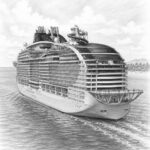
If you have only ever sailed a big American cruise line, your first MSC cruise in the Mediterranean will feel familiar in the ways that matter and refreshingly different in the ways that count. The single most important decision is not which excursion to book; it is choosing your MSC Experience and cabin together, because that pairing shapes your fare, your dining, your boarding, and how much of the ship is effectively yours. This guide walks a first-timer through that choice on MSC World Asia, booking smartly, reaching a European embarkation port, and settling in aboard the newest and most complete ship of MSC’s flagship World Class.
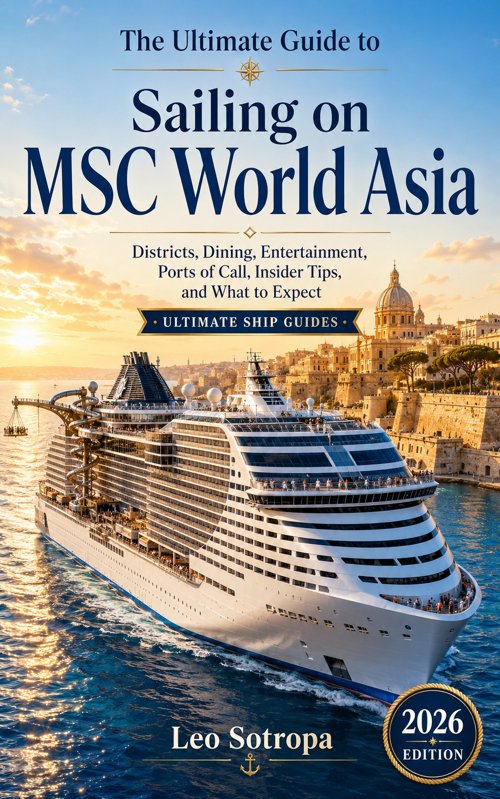
Everything in this article and far more, deck by deck, in The Ultimate Guide to Sailing on MSC World Asia.
Get the book →Choose your Experience and cabin first
On MSC you do not simply book a cabin. You book a cabin and an Experience, and the Experience is the layer that trips up newcomers because US lines do not work this way. Think of it as a tier of service and flexibility that rides on top of whatever cabin category you pick; the same balcony cabin can be sold under different Experiences, and the difference in what you get is real. Deciding the Experience is the first decision, and it frames the rest.
From most affordable to most exclusive, the ladder runs Bella, Fantastica, Aurea, and Yacht Club. Bella is the entry fare and lowest price, but MSC assigns your cabin’s exact location; you choose the category, not the room. Fantastica lets you pick your cabin and dining time and adds room-service breakfast and extra loyalty points. Aurea is the premium tier with the best-located cabins, priority boarding, thermal spa access, and often a drinks package. Yacht Club is the private ship-within-a-ship: suites with a 24-hour butler and concierge, a private restaurant, lounge and bar, a private pool and sun deck, and premium all-inclusive drinks. World Asia has the biggest MSC Yacht Club yet.
For a first-timer, the honest advice is this. Bella is fine if you want the lowest price and do not mind where your cabin sits. Fantastica is the sensible baseline for most people, letting you choose your location and dining. Aurea earns its premium if you value the spa, priority boarding, and a drinks package as a bundle. Yacht Club is a different holiday altogether and removes almost every friction point a nervous first-timer worries about. Inclusions shift by sailing, so confirm the details before you commit.
Picking the cabin category
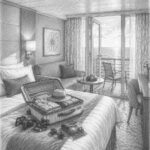
Cabin categories on World Asia run from Interior and Ocean View through Balcony, the smart-value Infinite Ocean View, premium Aurea cabins, and the Yacht Club suites, which come in the widest range yet, from interior and deluxe to grand and owner’s suites. Two combinations serve most first-timers well. For best value, book an Interior or an Infinite Ocean View on a Fantastica fare so you can choose your location. For the best all-round experience, take a midship Balcony on the mid-decks, where you get space, light, and the steadiest ride.
A few rooms are worth avoiding, and you can check them on the deck plan before you pay: cabins directly under the pool deck or aquapark, rooms over or under the theater and the World Promenade nightlife, forward high-deck rooms that feel motion first, and obstructed views or unintended connecting rooms. For more on layout, the deeper dive on the best cabins on MSC World Asia is worth a read, and the overview of how the MSC Experiences compare will settle any lingering doubt about the tier.
Booking your first MSC cruise
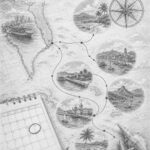
Once you know your Experience and cabin, booking is straightforward, but decide your week first. World Asia currently sails a seven-night Western Mediterranean loop calling at Barcelona in Spain, Marseille in France, Genoa in Italy, Rome via Civitavecchia, Messina for Sicily and Taormina, and Valletta in Malta. Several of these double as embarkation ports, so confirm where your week begins and ends, because that dictates your flights. The exact ports and order can vary, so check the itinerary for your sailing.
Keep prices in perspective. MSC fares are often noticeably lower than comparable US-line fares for the same week, but the base fare buys less inclusively than some newcomers expect. Gratuities are added to your onboard account, specialty restaurants cost extra, and Wi-Fi is a paid plan, so build those in. If you want a drinks package, price it against paying per drink, and remember that Aurea and Yacht Club often include one. You can usually add packages, excursions, and dining later, so there is no need to decide everything at once.
Getting to your European embarkation port
This is where long-haul first-timers most often go wrong. The Mediterranean is not your home port, and cruise ships do not wait for delayed flights. The rule is non-negotiable: fly into your embarkation city at least one full day early and sleep there that night. A missed connection or a delayed bag can be shrugged off if you have a buffer day, and can end your cruise before it starts if you do not.
Arriving early also lets your body adjust to the time change and turns boarding morning into a short, calm transfer. Book a hotel near the port, keep your documents and passport in your hand luggage, and confirm how you will reach the terminal. Coming home, apply the same logic in reverse: if your flight is the morning you disembark, give yourself a comfortable window, or fly home in the afternoon or stay an extra night.
Embarkation day and the MSC for Me app
Before you travel, download the MSC for Me app and complete your online check-in, which assigns you a boarding time; honoring it keeps the terminal moving. Have your cruise ticket, passport, and any pre-booked add-ons ready. If you booked Aurea or Yacht Club, priority boarding shortens the queue considerably.
The MSC for Me app is the nerve center of your cruise. It holds the daily program, restaurant and show bookings, deck maps, your onboard account, and messaging so your group can find each other across a ship carrying more than 5,000 guests over around 20 decks. Because World Asia is large and laid out as seven distinct districts, the app’s wayfinding is genuinely useful for the first day or two. Connect to the ship’s Wi-Fi for the app to work fully; general internet browsing is a separate paid plan.
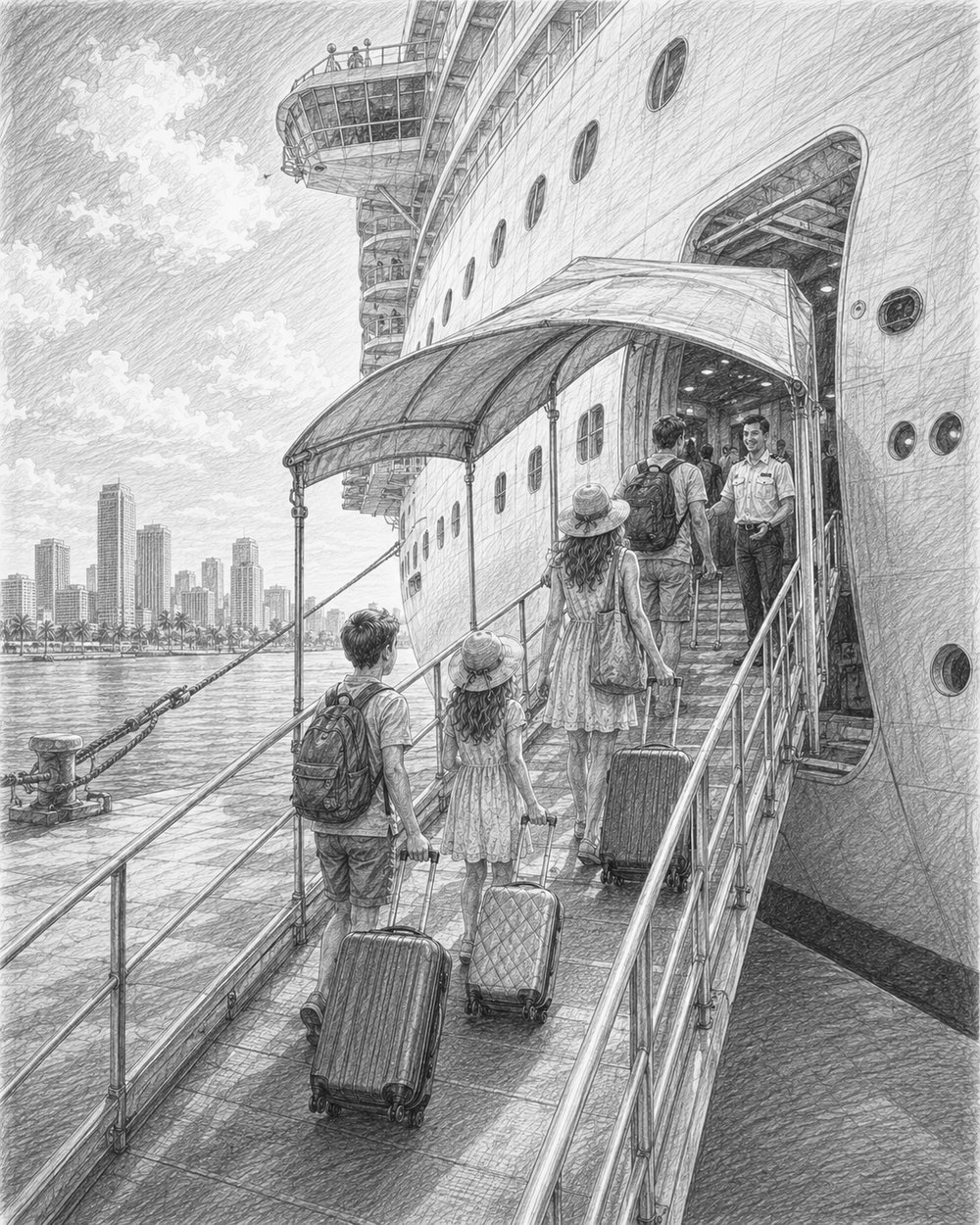
At the terminal you hand over luggage, pass through security and check-in, have your boarding photo taken, and collect your cruise card, which is your room key, payment method, and identification for getting on and off the ship. Your bags arrive at your cabin later, so keep swimwear, medication, and anything you need immediately in your day bag.
How MSC differs from US cruise lines
Dining times and dining style
MSC leans European, so dinner runs later than many Americans expect and the main dining room often uses set seating rather than the roll-up-whenever model. On a Fantastica fare or above you choose your dining time, one more reason that tier suits first-timers. Service is attentive but unhurried; if you want to eat early and fast, the buffet and casual venues are always there. World Asia also carries dining you will not find elsewhere in the fleet, including an immersive Pan-Asian restaurant and a street-food counter unique to this ship, alongside MSC specialty venues like a sushi and teppanyaki spot, a steakhouse, and a taqueria. The specialty venues cost extra; the main dining rooms and buffet are included.
Drinks, gratuities, and service
Drinks are not included unless your Experience bundles them, so decide whether a package makes sense: estimate what you would actually order and compare. Aurea frequently includes a package, and Yacht Club includes premium all-inclusive drinks. Daily gratuities are added automatically to your onboard account, standard for the industry. The service style is warm and professional but less scripted than some US lines, and that suits a lot of travelers just fine.
An international crowd and multiple languages
The biggest cultural difference is the passenger mix. An MSC Mediterranean sailing draws guests from across Europe and beyond, so you will hear many languages around the pool and at dinner. Announcements are made in several languages, which means they take a little longer, and the entertainment is often designed to work visually so it lands with a multilingual audience. Some first-timers find this the best part of the trip: you are on a genuinely European holiday, not an American resort that happens to float. Approach it that way and the international atmosphere becomes a feature. The crew is multinational and used to helping in English, so language is rarely an obstacle.
Your first hours aboard
Do not rush to your cabin the moment you board; it may not be ready, and the ship is calmest in the first couple of hours. Head up for a light lunch, then walk the ship with the app open. World Asia is organized into seven districts, and knowing where they sit saves a lot of backtracking. Find the World Promenade, the indoor-outdoor main street that runs through the ship and hosts the record-length Spiral @ Tree of Life dry slide. Ride the glass elevators up through the Galleria atrium to get a sense of the layout. Note where the Family District and the new Clubhouse are, and if you are without kids, find the adults-only Zen area with its cantilevered whirlpools over the sea.
Use this window to lock in the things that sell out. Book your main show slots and any specialty dinners in the app, reserve a spa pass if you want one, and check the times for the headline thrills, including the Cliffhanger over-water swing ride and the aquapark. Attend the safety drill when called; it is mandatory and quick. For a fuller picture of the venues, the guide to what to expect on MSC World Asia covers the districts in more detail.
Dining and shows through the week
Plan your dining as a mix: the included main dining room and buffet cover you every day, then choose a couple of nights for the specialty venues that make World Asia distinctive, especially the Pan-Asian restaurant and the street-food counter unique to this ship. Reserve those early, because the best times go first. Entertainment is built around theater productions, live music, and bars rather than a single big-name franchise, and the shows are designed for an international audience, which usually means a strong visual and musical spectacle. Book your theater slots in the app for a guaranteed seat. The retro-fun Clubhouse and a casino fill the evenings, and the World Promenade turns into a lively strip after dark. Pace yourself; a seven-night week is a marathon of early port mornings, so you do not have to do everything every night.
Money, gratuities, and what to wear
Your onboard account is cashless: everything charges to your cruise card and settles at the end to the card you registered. Daily gratuities are added automatically, so factor them into your budget alongside any drinks package, specialty dining, Wi-Fi plan, and excursions. In port you will want some euros for taxis and places that prefer cash.
Dress on MSC is relaxed by day and a notch dressier in the evening than some US lines. Daytime is casual, with swimwear for the pool and something to cover up for lunch. Evenings in the main dining room lean smart-casual, and most weeks include a formal or themed night or two. You do not need a tuxedo, but a jacket or a nice dress covers the dressier nights. For port days, pack good walking shoes, sun protection, and modest cover for churches and cathedrals, since many great sites require shoulders and knees to be covered. The rundown of practical MSC World Asia tips goes deeper on packing if you want a checklist.
Running Mediterranean port days
Mediterranean port days are long and rewarding, and they demand an early start. Unlike a Caribbean beach day, these are city and culture days where the sights are the point, and the difference between a great day and a frustrating one is usually how early you get moving. Check your arrival and all-aboard times the night before, and be back with a comfortable margin, because the ship will not wait.
Each port has an obvious headline. Barcelona is the Sagrada Família, Park Güell, La Rambla, the Gothic Quarter, and Gaudí architecture. Marseille gives you Notre-Dame de la Garde and the Vieux-Port, gateway to Aix-en-Provence. Genoa combines a historic old town and a famous aquarium with access to the Cinque Terre and Portofino. Messina is your gateway to clifftop Taormina with its ancient Greek theatre and to Mount Etna. Valletta packs St. John’s Co-Cathedral and the Grand Harbour into a compact walled city, with the old town of Mdina nearby. Decide in advance whether each port is a ship excursion or a self-guided day; excursions cost more but remove the logistics and guarantee you are back aboard on time.
Rome from Civitavecchia
Rome is the marquee call and the one that most needs planning, because the ship docks at Civitavecchia, roughly a 1.5-hour transfer from central Rome. That distance shapes your whole day. You cannot see the Colosseum, the Vatican and St. Peter’s, the Trevi Fountain, and the Roman Forum in a leisurely afternoon if half your time is spent traveling, so pick a focus. Many first-timers choose either ancient Rome, the Colosseum and Forum, or the Vatican, rather than cramming both.
Your two realistic routes are a ship excursion, which handles the transfer and guarantees your return, or an independent day by train from Civitavecchia. The train is cheaper, but you own the risk of getting back in time, so build in a generous buffer. Book timed entry for the Vatican Museums or the Colosseum in advance whichever way you go, because the queues without a reservation can swallow your limited hours. For a full port playbook, see the dedicated guide to Rome from Civitavecchia.
Disembarkation
The last morning is straightforward if you plan the night before. You will be given a disembarkation time and instructions in the app and your cabin. The night before, you can put your main luggage outside your door for the crew to take off, keeping only what you need for the morning, or carry everything off yourself to control the timing. Your onboard account settles automatically to your registered card. Have breakfast, then leave your cabin by the requested time. Because you booked a late-day flight or an extra night, you are not watching the clock: follow your group call, clear the terminal, and transfer to the airport with a comfortable margin or head into the city for one more day.
First-timer mistakes to avoid
- Flying in on embarkation day. Always arrive at your European port at least a full day early to absorb flight delays.
- Ignoring the Experience tiers. Booking Bella when you wanted to choose your cabin location leaves you frustrated; Fantastica or above solves it.
- Expecting a US-line dinner schedule. MSC dines later and often uses set seating; embrace it or use the buffet.
- Assuming drinks, Wi-Fi, and specialty dining are included. They are extra; budget for gratuities and packages up front.
- Under-planning Rome. Civitavecchia is about 1.5 hours from the city, so choose a focus and book timed entries.
- Skipping the MSC for Me app. It runs your bookings, maps, and account; download it and check in before you travel.
- Cutting the return flight too fine. Give disembarkation and a busy airport plenty of room.
Get the complete MSC World Asia playbook
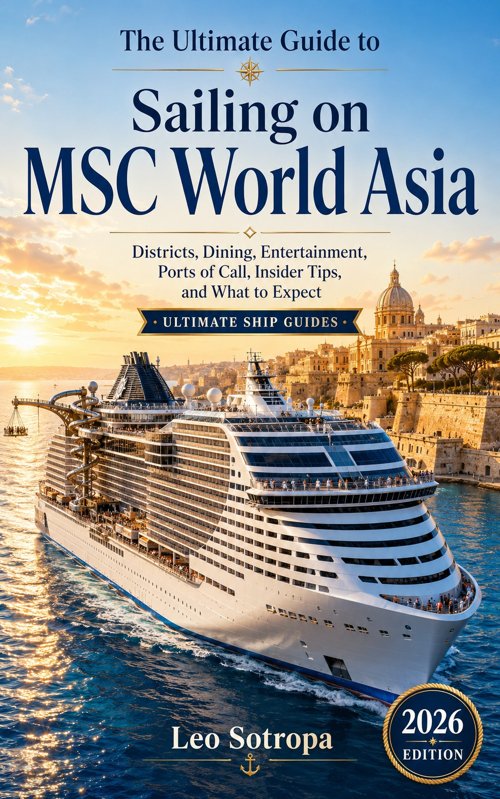
Ready to sail with confidence on your first MSC cruise? “The Ultimate Guide to Sailing on MSC World Asia,” part of the Ultimate Ship Guides series by Leo Sotropa, walks you through every decision with clear action steps in every chapter, from choosing your Experience to nailing each Mediterranean port.
Frequently asked questions
What is an MSC Experience and which should a first-timer choose?
An Experience is a tier of service and flexibility booked on top of your cabin: Bella, Fantastica, Aurea, or Yacht Club. Bella is cheapest but MSC assigns your exact cabin location. Fantastica lets you choose your cabin and dining time and is the sensible baseline for most first-timers. Aurea adds priority boarding, spa access, and often a drinks package; Yacht Club is the private ship-within-a-ship. Confirm current inclusions when you book.
How is MSC different from American cruise lines?
MSC has a European feel: dinner runs later and often uses set seating, the passenger mix is international, and announcements come in several languages. Service is warm but less scripted than some US lines, gratuities are added automatically, and drinks and Wi-Fi are paid extras unless your Experience includes them. Approach it as a genuinely European holiday and the differences become part of the appeal.
How early should I arrive before an MSC Mediterranean cruise?
Fly into your embarkation city at least one full day early and spend the night there. Ships do not wait for delayed flights, so a buffer day protects your cruise from missed connections and lost bags and lets you adjust to the time change. Do the same in reverse, giving yourself a late-day flight or an extra night after disembarkation.
Do I need the MSC for Me app?
Yes. The MSC for Me app holds the daily program, deck maps, restaurant and show bookings, your onboard account, and messaging, and it is genuinely useful on a ship this size. Download it and complete online check-in before you travel. It runs on the ship’s Wi-Fi; general internet browsing is a separate paid plan.
How do I visit Rome from the ship?
The ship docks at Civitavecchia, roughly a 1.5-hour transfer from central Rome. Because of that distance, choose a focus, such as ancient Rome with the Colosseum and Forum, or the Vatican and St. Peter’s, rather than trying to see everything. Either take a ship excursion, which guarantees your return, or go independently by train with a generous buffer, booking timed entry tickets in advance.
What should I wear on an MSC cruise?
Days are casual, with swimwear for the pool and something to cover up for lunch. Evenings lean smart-casual, and most weeks include a formal or themed night or two, so pack a jacket or a nice dress. For port days bring good walking shoes, sun protection, and clothing that covers shoulders and knees for churches.
What is included in the fare and what costs extra?
Your fare includes your cabin, the main dining rooms and buffet, and the theater and most entertainment. Daily gratuities are added to your onboard account, and drinks packages, specialty restaurants, Wi-Fi plans, and shore excursions cost extra unless your Experience bundles them. Prices are typically competitive against US lines, but budget for the add-ons and confirm the latest details in the app.
Ready for the whole ship in one place? It is all in The Ultimate Guide to Sailing on MSC World Asia.
Get the book →
Meet Leo: The Heartbeat Behind ‘A Country A Month’
Journeying through the pages of A Country A Month, you might often feel the rhythm of a storyteller’s heartbeat, pulsating through each line, each image, and each adventure shared. That heartbeat belongs to none other than our remarkable website editor, Leo.
With a lens in one hand and a pen in the other, Leo seamlessly marries his passions for photography and writing. His eye captures moments that words can barely describe, yet his eloquence brings those images to life, transcending borders and connecting us all through shared stories. An avid traveler, every country he’s visited has added another chapter to his expansive tale, and through our platform, he generously shares these chapters with us.