The short answer: Living in Thailand on a fixed income is comfortable and social, and most retirees spend less than their income. The daily rhythm is cheap and full — $2 meals, a $6 massage, fast fiber for the grandkids’ video calls. The things to manage are the currency (plan at 32 baht to the dollar), the roads (skip the scooter, use Grab), homesickness (a standing weekly video call), and the fact that this is a renewable welcome, not a path to citizenship.
Numbers tell you whether a retirement is affordable; they don’t tell you what the days feel like. So here’s the honest texture of living in Thailand on a Social Security-sized income — the pleasures that surprise people, and the handful of things a fixed-income retiree has to actively manage. (Dollar figures use 33.6 baht to the dollar, mid-2026; the book’s rule is to plan at 32.)
This summarizes the daily-life, staying-connected, and safety chapters of No-Nonsense Guide to Retiring in Thailand by Leo Sotropa — what the day-to-day is actually like.
The daily rhythm: cheap, warm, and full
The everyday texture is the payoff for the paperwork. A plate of proper Thai food from a neighborhood shop costs about two dollars. A massage runs six. Home fiber at 500 Mbps runs ฿550–800 a month, and a mobile SIM with plenty of data ฿300–500, so your connectivity costs almost nothing and the grandkids are a crisp video call away. In the expat hubs there’s a rich social life that happens in public — markets, cafes, temple walks, a mahjong or photography or trivia group. Barbara, our Chiang Mai retiree, teaches a little piano for the joy of it; Dave golfs a course that would cost a fortune at home while Linda has a favorite market vendor who sets aside the good mangoes. None of them is wealthy, and all of them live below their income. That gap — the money left over at the end of the month — is the quiet luxury of a fixed-income life here.
Managing a dollar income in a baht world
Your income is priced in dollars; your life is priced in baht, and the bridge between them moves. The risk that matters isn’t the dollar weakening against fancy currencies — it’s the baht strengthening. On a ฿40,200 comfortable-single budget, a shift from 33.6 to 31 baht per dollar adds about $101 a month — roughly $1,200 a year — for the exact same life. Three habits keep you steady: keep a cushion (your monthly surplus is a buffer, not spending money); don’t convert your whole life to baht at once (keep a reserve in dollars back home and bring money over as you spend it); and watch the rate but don’t chase it. Above all, build your budget at 32 baht to the dollar. Plan for the bad rate and the good rate becomes a gift. One piece of steadying news: your Social Security COLA raises still apply in Thailand, and they buy more in a Thai economy than they would at home.
Staying connected to home
The fear that actually sends retirees home isn’t money or crime — it’s loneliness, the ache of being far from grandchildren. Thailand is well set up to beat it, but it takes a plan. The tools are cheap: fast fiber and a data SIM make daily video calls effortless. The friction is the clock — Thailand runs roughly 11 to 12 hours ahead of the U.S. East Coast, so your morning lands on their previous evening, which is often the sweet spot. Handle it deliberately: find the two or three windows that work, put a standing weekly video call in both calendars, and defend it like any appointment. The regularity is the whole trick — grandchildren bond with the grandparent who’s there every Sunday on the screen, not the one who surfaces at holidays. Budget a trip home once or twice a year as a fixed cost, not a surprise, so you can always get back for the moments that matter.
The money plumbing that runs a fixed-income life
When your income is one check, the mechanics of receiving and spending it are not a footnote — they’re the plumbing your whole life runs through. Thailand isn’t a normal Social Security direct-deposit country, so your benefit routes through the Bangkok Bank New York branch and forwards to your Thai account. The trap that catches everyone: it lands in a special Direct Deposit account with in-person, branch-only withdrawals. The fix is the two-account rule — open a second, ordinary savings account with a card and app, and transfer your benefit across at the start of each month. One account receives the check; one runs your life.
From that everyday account, daily spending is easier than at home. PromptPay, Thailand’s free instant QR-payment system, is accepted everywhere from supermarkets to street vendors, so you reach for your phone before your wallet. For moving dollar reserves over as you spend them, Wise transfers at close to the real rate with a low, transparent fee, and a fee-rebating account like Charles Schwab refunds the flat ฿220 foreign-card ATM charge. Keep your U.S. financial ties alive through all of it — don’t close your U.S. bank account or give up your U.S. mailing address, because those ties are what let Wise pull dollars and give you a soft landing if you ever move back.
The safety reality: it’s the roads, not crime
Thailand is a State Department Level 1 country — the safest tier, upgraded in 2025 — and violent crime against foreigners is low. The scams are the avoidable tourist kind (jet-ski and rental damage claims, “broken” taxi meters, worthless gem investments), and they thin out fast once you live somewhere and default to the Grab app, which fixes the fare in advance. Petty theft is mostly opportunistic bag-snatching from passing motorbikes, defeated by carrying your bag on the side away from the street.
The one danger that genuinely threatens you is the road. Thailand has around 25 road deaths per 100,000 people and roughly 18,000 a year, with motorbikes about 80% of the casualties. The scooter is cheap and seductive and it is the most dangerous decision you can make here — our reflexes are slower at 65, our bones more fragile. So skip it. Grab will drive you across town for a few dollars, songthaews run set routes for about a dollar, and in Bangkok the BTS and MRT trains are fast and cheap. Skip the scooter and you remove most of your actual risk in a single decision. Two more rules unlike home: respect the lese-majeste law (never comment on the monarchy, in person or online — the penalties are severe and counts stack), and steer clear of the two small Level 2 pockets (the deep-south provinces and the Cambodia border) that no retiree has any reason to visit. Save the Tourist Police number, 1155, which has English-speaking operators.
The honest trade-offs of a renewable life
Living here on a fixed income means accepting a few things clearly. You rent, you don’t own — foreigners can’t own land, only condos — which actually keeps you flexible. The bureaucracy never fully stops: 90-day reports, annual renewals, a re-entry permit before every trip abroad. And this path renews indefinitely but does not lead to permanent residency, citizenship, or the right to work. It’s a renewable welcome, not a road to becoming Thai. Go in understanding that and the paperwork stops feeling like a betrayal and starts feeling like rent you pay for a very good life. The practical consequence: keep your American ties intact — a U.S. bank account, a mailing address, and careful thought before dropping Medicare Part B — because you stay flexible, and the 800,000 THB in your Thai bank is your own money that comes home with you if you ever leave.
When life changes
A fixed-income plan should anticipate change. Thailand handles aging well: eldercare is a fraction of U.S. prices, with assisted living from about ฿20,000 a month ($595) and a respected hub around Chiang Mai. If money ever gets tight, the country’s own cost levers — a cheaper city, an inland neighborhood, the low daily prices — give you room to adjust. And if the move simply doesn’t work out, the renting-not-owning reality makes leaving clean: a lease is easy to end, and your visa deposit comes home with you. The flexibility that can feel like a limitation is also what makes the whole thing low-risk to try.
Want the full picture — the daily routines, the homesickness playbook, the safety deep-dive, and the plan for when life changes? It’s all in No-Nonsense Guide to Retiring in Thailand.
FAQ
What is daily life in Thailand like on a fixed income?
Comfortable and social — $2 meals, a $6 massage, cheap fast internet, and an organized expat community in the main hubs. Most retirees spend less than their income and bank the difference, so the day-to-day feels relaxed rather than pinched.
Is Thailand safe for retirees living there?
Yes — it’s a State Department Level 1 country with low violent crime. The one genuine danger is traffic, where motorbikes cause about 80% of road deaths, so the key safety move is to skip the scooter and use Grab and the trains.
How do I handle homesickness living in Thailand?
Set a standing weekly video call and defend it like any appointment; the regularity is what keeps relationships warm across the 11–12 hour time gap. Budget one or two trips home a year as a fixed cost, and lean on the local expat community early for a soft landing.
Keep reading: Can you retire in Thailand on Social Security? · The real cost of living in Thailand · The complete guide to retiring in Thailand
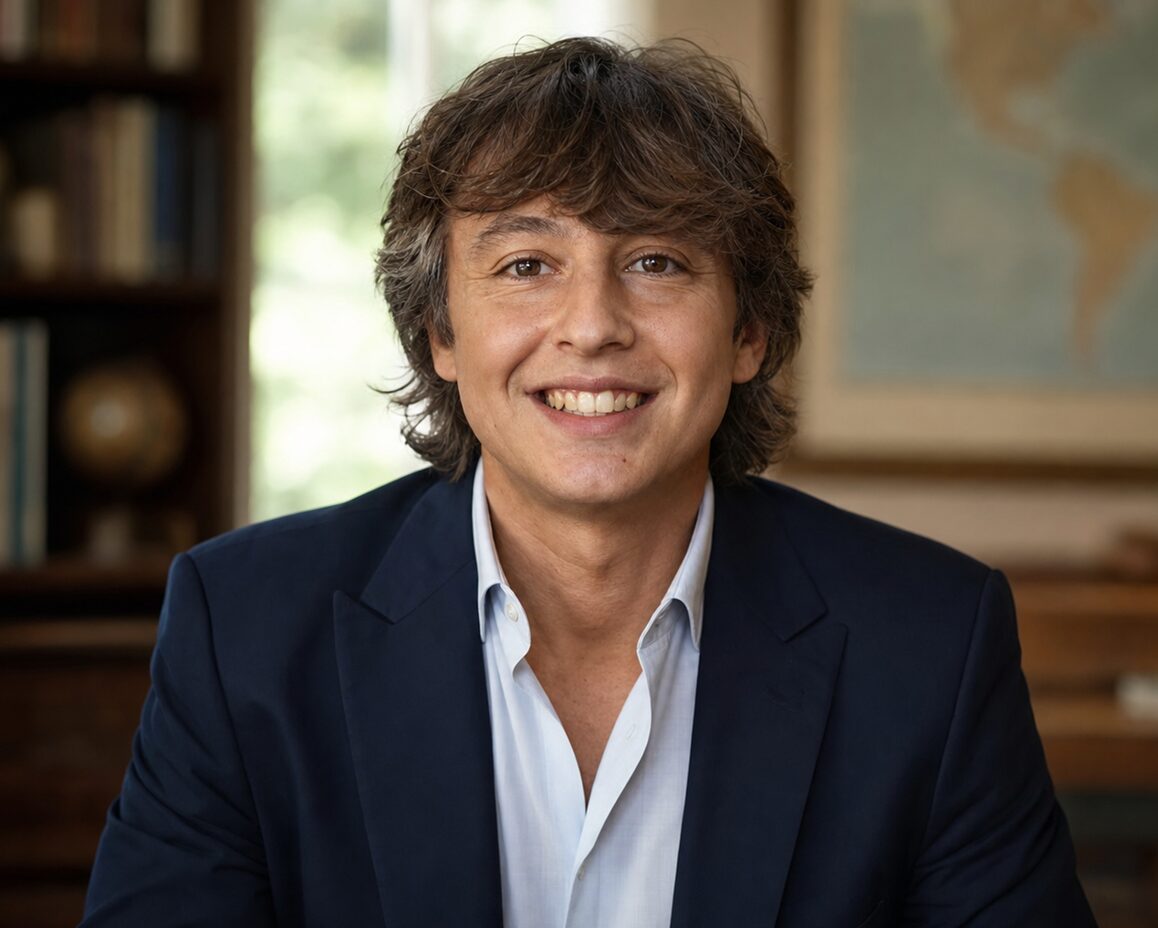
Meet Leo: The Heartbeat Behind ‘A Country A Month’
Journeying through the pages of A Country A Month, you might often feel the rhythm of a storyteller’s heartbeat, pulsating through each line, each image, and each adventure shared. That heartbeat belongs to none other than our remarkable website editor, Leo.
With a lens in one hand and a pen in the other, Leo seamlessly marries his passions for photography and writing. His eye captures moments that words can barely describe, yet his eloquence brings those images to life, transcending borders and connecting us all through shared stories. An avid traveler, every country he’s visited has added another chapter to his expansive tale, and through our platform, he generously shares these chapters with us.