The short answer: Penang is Malaysia’s number-one retiree and medical-tourism hub — a walkable UNESCO heritage city with world-class hospitals a Grab ride away, arguably the country’s best food, and the densest retiree expat community. A central one-bedroom rents for RM2,000–2,600 ($488–634), and a comfortable single life runs about RM5,250 (~$1,280). The catch is the visa property rule: to buy on Penang island, a foreigner must spend at least RM1,000,000, so Penang suits the federal-route retiree with real capital who wants top healthcare above all.
Of all the places in Malaysia, Penang is the one that keeps winning for American retirees, and it earns the title for one reason above the rest: healthcare. This is where medical tourists fly in from across the region, and as a resident you get the same doctors at the same prices, minutes from your door. If your later years might involve real medical needs — and everyone’s do — Penang is built for exactly that. Here’s the honest picture: what it costs, why the hospitals matter, and the property catch that decides whether it fits you.
This summarizes the Penang and healthcare chapters of No-Nonsense Guide to Retiring in Malaysia by Leo Sotropa — the city profiles, the hospital map, and the real cost of care by procedure.
Why Penang keeps winning
George Town, Penang’s heart, is a walkable UNESCO World Heritage city of restored shophouses and street-art lanes, with beaches at Tanjung Bungah and Batu Ferringhi and a food scene that is, arguably, the best in a country famous for food. It’s very safe. And the expat community is large and retiree-heavy, so a social circle is easy to build through InterNations, Facebook groups, and expat.com — a real advantage if the thought of knowing no one frightens you. English runs everything, so you function from day one.
But the anchor is the medicine. Penang’s private hospitals — Gleneagles Penang, Island Hospital, Penang Adventist, and Pantai — are world-class, staffed by doctors trained in the UK, U.S., and Australia. This is why Walter, the book’s 70-year-old Penang retiree, chose the island specifically: he wanted to be a short drive from Gleneagles and Island Hospital. At his age, that wasn’t vanity; it was planning.
The healthcare, in real numbers
Numbers cut through fear better than adjectives. As a resident you get the same medical-tourism care at the same low prices — 60 to 80 percent below U.S. costs:
| Service | Penang / Malaysia | Typical U.S. price |
|---|---|---|
| GP visit | $20–61 | $150–300 |
| Specialist consult | $61–146 | $300–500 |
| MRI scan | $366–976 | $1,000–3,000+ |
| Full health check | under $200 | — |
| Knee replacement (per knee) | $6,100–10,976 | $30,000–50,000 |
| Cataract surgery (per eye) | $2,317–3,659 | $3,500–7,000 |
| Single dental implant + crown | $854–1,951 | $3,000–5,000+ |
Sit with a couple of those: a doctor’s visit for twenty dollars, no insurance card, no surprise statement three weeks later. A specialist for sixty. The private hospitals that anchor Penang’s reputation are internationally accredited, publish their outcomes, and compete for foreign patients on results, not just cost. The low price is a function of lower labor costs and a favorable currency, not low quality. For the big-ticket fear — a heart bypass — note that KL’s national heart institute (IJN) does the operation for roughly $7,300–14,600, comparable care at a survivable price. Living in Penang means the arithmetic of a major illness, the thing that quietly terrifies every uninsured older American, is simply far less frightening.
What it costs to live in Penang
Penang is a mid-tier city on cost — a step up from Ipoh or Kuching, below KL’s priciest corners. A central George Town one-bedroom runs RM2,000–2,600 ($488–634); outside the center, RM1,200–2,000. A comfortable single life lands around RM5,250 (~$1,280)/month: central rent, air-conditioning electricity of RM150–400, some Western groceries, dining out on a mix of hawker and Western, insurance, and fun money. Walter’s owned-condo Penang budget runs about RM6,620 (~$1,615), the standout line being comprehensive health insurance at 70 (RM2,500/month) — the age curve made concrete. If you own instead of rent, you delete the largest line and a comfortable Penang life drops well under $1,000 a month.
The property catch that decides everything
Here’s the fact that trips people up, and it’s the hinge of whether Penang fits you. Penang requires the federal MM2H, and to buy on Penang island, a foreigner must spend at least RM1,000,000 (landed homes RM3,000,000). So if you want to own on the island and satisfy the MM2H property rule at the same time, you’re committing at least RM1,000,000 to real estate — which is what Walter did, the steepest entry among the book’s three retirees.
There are two softer paths. The Penang mainland (Butterworth, Seberang Perai) has a lower RM500,000 foreign-ownership floor. And you can always rent on the island while satisfying the visa’s purchase requirement with a cheaper mainland property, or rent for a good while before deciding to buy at all. But be clear-eyed: island ownership plus the federal deposit is a serious capital commitment, and Penang is genuinely a place for the retiree who has that capital and prioritizes healthcare and community above rock-bottom cost.
Who Penang suits
Penang is the federal-route retiree’s city if you want the best combination of healthcare, community, and heritage-city life, and you have the capital for an island condo — or you’re happy renting or buying on the mainland. It suits the person who worries about aging far from good hospitals, because here the country’s best care is a Grab ride away. It suits the person who wants a ready-made social circle rather than building one from scratch. And it suits the food lover, because George Town’s hawker centers may become your favorite thing about the whole country.
It suits you less if your deciding factor is the lowest possible cost (Ipoh or Kuching win there), or if your capital only reaches the Sarawak bar (which points you to Kuching, not the peninsula). Two shared realities to plan around wherever in Malaysia you land: the heat and humidity are constant (25–33°C year-round), and transboundary haze can foul the air from August to October — worth a scouting visit in that season so you see the city at its worst, not its best.
A day in Penang, on the ground
Picture the comfortable, cultured version of this retirement, which is what Penang delivers. A morning coffee in a restored shophouse, a walk through George Town’s street-art lanes before the heat builds, a specialist appointment you booked for next week rather than next quarter, and dinner at a hawker center where the best meal of your day costs three dollars. Between the UNESCO heritage core and the beaches at Tanjung Bungah and Batu Ferringhi, the island packs a lot into a small footprint, and you can live it all without a car — Grab is cheap and everywhere, which also keeps you off the roads in a country with a high road-death rate. Penang’s Malay is optional and its English is universal, so even the errands that fray your nerves elsewhere — the bank, the phone shop, the hospital reception — run in your own language.
The community that keeps loneliness out
Loneliness is the quiet thing that sends retirees home, more than money or weather, and Penang is the country’s best answer to it. This is the most retiree-heavy expat hub in Malaysia, thick with people who made exactly the move you’re making and remember what the first month felt like. Plug in before you even arrive through InterNations, the many Penang expat Facebook groups, and expat.com, and show up to a few meetups in your first weeks — the infrastructure of belonging is already built here; you just have to walk into it. The caution worth naming is that the expat bubble is comfortable enough to hide in forever. Use it as the soft landing it is, then push past it: because you share a language, you have the rare chance to build real friendships with Malaysians across the island’s Malay, Chinese, and Indian communities, and those local roots are what make a place feel like home rather than an extended holiday.
Settling into Penang
Register at your nearest good private hospital in your first month, while you’re healthy — walk in, get a baseline health screening (under $200), and establish a GP who now knows you. Most of the big hospitals have an international patient office staffed to handle foreigners and insurance in fluent English. You don’t need a car: Grab is cheap and everywhere. Plug into the retiree expat groups before you even arrive so you land with people waiting, then push past the expat bubble into local life — become a regular at a hawker stall, learn a few words of Malay, and accept the open-house invitations when the festivals come around. Penang gives a nervous first-timer the softest landing in the country.
Want the full Penang profile, the complete hospital map, and the insurance-by-age playbook? It’s all in No-Nonsense Guide to Retiring in Malaysia.
FAQ
How much does it cost to retire in Penang?
A comfortable single life runs about RM5,250 (~$1,280)/month renting a central condo, less if you own. A central one-bedroom rents for RM2,000–2,600. The big up-front cost is the federal visa: a USD 150,000 deposit plus a property (RM1,000,000 to buy on the island).
Why is Penang popular with retirees?
World-class private hospitals at 60–80% below U.S. prices, a walkable heritage city, arguably Malaysia’s best food, real safety, English everywhere, and the country’s densest retiree expat community.
Do I have to buy a RM1,000,000 property in Penang?
Only to buy on Penang island. The mainland floor is RM500,000, and you can rent on the island while satisfying the visa’s purchase requirement with a cheaper mainland property — or rent first before deciding to buy at all.
Keep reading: Cost of living in Malaysia for retirees · Living in Malaysia on a fixed income · The complete guide to retiring in Malaysia
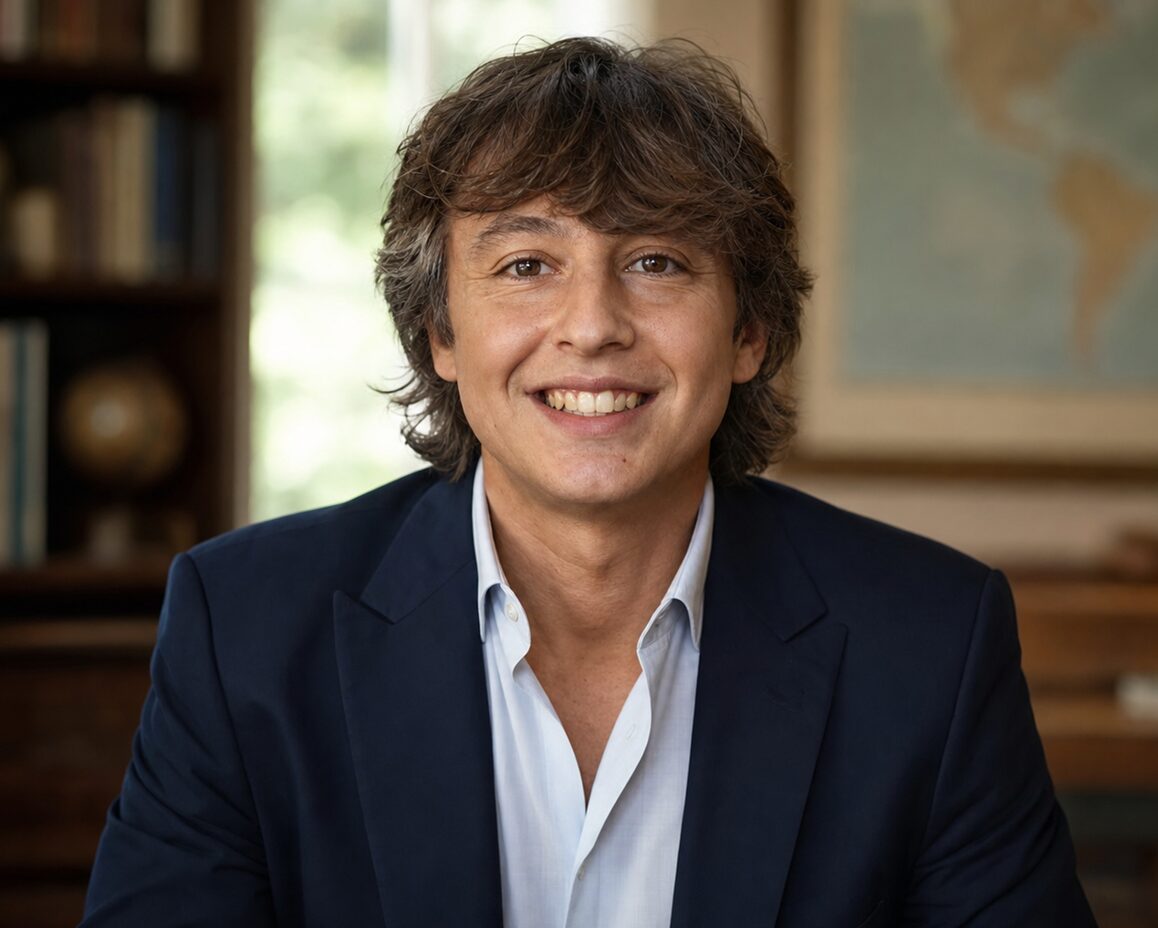
Meet Leo: The Heartbeat Behind ‘A Country A Month’
Journeying through the pages of A Country A Month, you might often feel the rhythm of a storyteller’s heartbeat, pulsating through each line, each image, and each adventure shared. That heartbeat belongs to none other than our remarkable website editor, Leo.
With a lens in one hand and a pen in the other, Leo seamlessly marries his passions for photography and writing. His eye captures moments that words can barely describe, yet his eloquence brings those images to life, transcending borders and connecting us all through shared stories. An avid traveler, every country he’s visited has added another chapter to his expansive tale, and through our platform, he generously shares these chapters with us.