The short answer: Day-to-day life in Malaysia on a fixed income is defined by ease. You understand everyone (English runs the hospitals, banks, and hawker stalls), you eat superbly for a few dollars a meal, daily payments are cashless and simple, and your U.S. income is untaxed. The two things a fixed-income retiree actively manages are the strengthening ringgit — plan at 4.0, convert in tranches — and loneliness, which Malaysia hands you unusual tools to beat: a language you already speak, a ready-made expat community, and cheap fast fiber to the grandkids.
Budgets and visas tell you whether you can live in Malaysia. This is about what it actually feels like once you’re in — the texture of an ordinary Tuesday on a fixed income, and the two or three things you’ll consciously manage to keep the money and the mood steady. The through-line is ease, an English-speaking, food-rich, warmly multicultural ease that few countries can match.
This summarizes the daily-life and staying-connected chapters of No-Nonsense Guide to Retiring in Malaysia by Leo Sotropa — the cultural adaptation, the currency discipline, and the loneliness plan.
The English-language ease
Here’s the thing that surprises you in your first hour and keeps surprising you: you can understand everyone. The taxi driver, the doctor, the woman at the phone kiosk, the man frying your noodles. Malaysia is a former British colony, and English runs through daily life, healthcare, business, and signage. After the months of anxiety that precede any international move, that single fact lands like a warm exhale — and on a fixed income it’s practical, too, because you can argue about a bill, understand a lease, and handle your own bureaucracy without paying for a translator or a fixer. The official language is Malay, and a few courtesies (terima kasih for thank you, selamat pagi for good morning) earn real smiles, but you function fully from day one on English alone.
The food, which becomes your daily luxury
You’ll eat well every single day, cheaply, and it may become your favorite thing about the country. Three cultures — Malay, Chinese, Indian — produce three great cuisines, plus Nyonya, and it’s served at hawker centers for a couple of dollars a plate. A hawker meal runs RM6–15 ($1.50–3.70); a local kopi RM2–4, well under a dollar. You can eat three meals a day of some of the best food in Asia and spend less than you would on one mediocre lunch back home. For a fixed-income retiree, that’s not a small thing; it’s a daily luxury made affordable.
The hawker center is also, quietly, how you stop being a stranger. It’s Malaysia’s town square, the one place where Malay, Chinese, and Indian Malaysians sit at neighboring plastic tables. Become a regular at one — learn the vendor’s name, let them learn your order — and slowly you’re part of the furniture. Loneliness has a hard time surviving a place where you’re greeted by name over a two-dollar plate of char kway teow. (One budget note: alcohol is available but heavily taxed, so if a nightly drink is part of your life, price it honestly — it’s one of the few things that costs more here than at home.)
Cashless, connected daily life
Malaysia has gone heavily cashless, and daily life is smoother for it. You pay by scanning DuitNow QR codes from the Touch ‘n Go eWallet — at hawker stalls, markets, shops, taxis, and toll booths — loaded from your Malaysian bank account. Keep a little cash for the smallest stalls, but the eWallet carries most transactions and keeps a tidy running record that quietly helps you stay on budget. Home fiber internet runs RM89–150 ($22–37) a month for fast connections, a generous mobile SIM RM30–50. And you don’t need a car: Grab ride-hailing is cheap (RM6–15) and nationwide, KL has good rail, and budget airlines connect the country — which also spares you Malaysia’s high road-death rate.
Beating loneliness, on purpose
The fear nobody puts on the brochure is the one that actually breaks retirements abroad: not sickness or money, but loneliness — the ache of being far from grandchildren, of realizing everyone who loves you is asleep on the other side of the planet. Malaysia, of all the countries in this series, hands you the most tools to defeat it, and the biggest is that you speak the language. In most of Asia, a language barrier is a wall between you and the whole society; here there’s no wall. You can talk to your neighbors, join a club, make a friend, and be understood from week one.
The community is already built, too. Expat scenes are active in Penang and Kuala Lumpur through InterNations, Facebook groups, and expat.com, with Penang especially retiree-heavy. Loneliness becomes avoidable not as a vague hope but as a concrete plan: join the groups before you even arrive, show up to a few meetups in your first month, say yes to invitations, and within weeks you have a table of people who remember exactly what your first month felt like. Use the expat scene as the porch, not the house — because you speak the language, push past it into real friendships with Malaysians. And keep home close with a standing weekly video call, same time, same faces, defended like any other appointment; over a 12-to-13-hour gap, your morning lands on their previous evening, an easy slot. The regularity is the whole trick, and it shrinks the ocean.
The fixed-income skill: managing a strong ringgit
Here’s the one part of daily money that a fixed-income retiree in 2026 actively manages. The ringgit strengthened this year, trading around 4.1 to the dollar, up from 4.5-plus in recent years — which means your dollar now buys fewer ringgit. A $2,000 benefit that once converted to over RM9,000 now brings about RM8,180. That’s real money, and it happened through no fault of yours. You can’t control the exchange rate, but the defenses are simple and free:
- Plan at 4.0, not 4.1. Build your budget assuming a dollar buys only 4.0 ringgit. If the rate holds or improves, you have a bonus.
- Convert in tranches. Move money across in chunks over the month or quarter with Wise, not one lump on a single day, and you average out the rate.
- Keep a ringgit cushion. Hold a few months of expenses in ringgit so a bad stretch never forces you to convert at a terrible rate just to eat.
- Let the cheap city be a hedge. Ipoh and Kuching absorb a bad exchange-rate year that Penang or KL cannot — where you live is itself a currency defense.
Your MM2H fixed deposit helps here too: it earns ringgit interest locally, tax-free, so part of your income is already generated in the currency you spend, immune to the exchange rate. And your Social Security COLA still follows you to Malaysia each January, sized to U.S. inflation — pure gain in a year the ringgit holds steady.
Settling into the rhythm
Life here adjusts to the heat, and you learn to as well. It’s 25–33°C year-round, so locals run errands in the cooler morning and evening, rest through the hot middle of the day, and come alive at the pasar malam night markets after dark. Lean into that rhythm rather than fighting it. Two seasonal patterns are worth planning around: the monsoon (heaviest rain November to February on the east coast and Borneo) and the transboundary haze (roughly August to October, when bad-air days send you indoors with a purifier). Neither is a reason not to move; both are reasons to pick your city and seasons with open eyes.
There’s a deeper adjustment too, quieter than the heat. You’re moving to a country that will never make you a citizen — by the design of the visa, you remain a long-term guest. Some find that unsettling; many find it a relief. You don’t have to solve Malaysia or belong to it completely. You get to enjoy it — the English-speaking ease, the superb cheap food, the good hospitals, the untaxed pension — respectfully and gratefully, for as long as it suits you both. Most retirees find that within a season, it has simply become home.
Want the full cultural playbook, the standing-call loneliness plan, and the currency-tranche discipline in detail? It’s all in No-Nonsense Guide to Retiring in Malaysia.
FAQ
What is daily life like in Malaysia for a retiree?
Easy and English-speaking: you understand everyone, eat superbly for a few dollars a meal, pay cashlessly by phone, and get around cheaply by Grab. The main adjustments are the constant heat, the August–October haze, and managing a dollar income against a strong ringgit.
Is it easy to make friends in Malaysia?
Unusually so, because you share a language. Active expat communities in Penang and KL give you a soft landing, and the warmth of Malaysians across all three communities makes real local friendships easy if you push past the expat bubble.
How do I protect a fixed income against the ringgit?
Plan your budget at 4.0 rather than 4.1, convert dollars to ringgit in tranches with Wise rather than one lump, keep a few months of ringgit as a cushion, and lean on a cheaper city if the rate turns against you.
Keep reading: Cost of living in Malaysia for retirees · Moving to Malaysia: the step-by-step guide · The complete guide to retiring in Malaysia
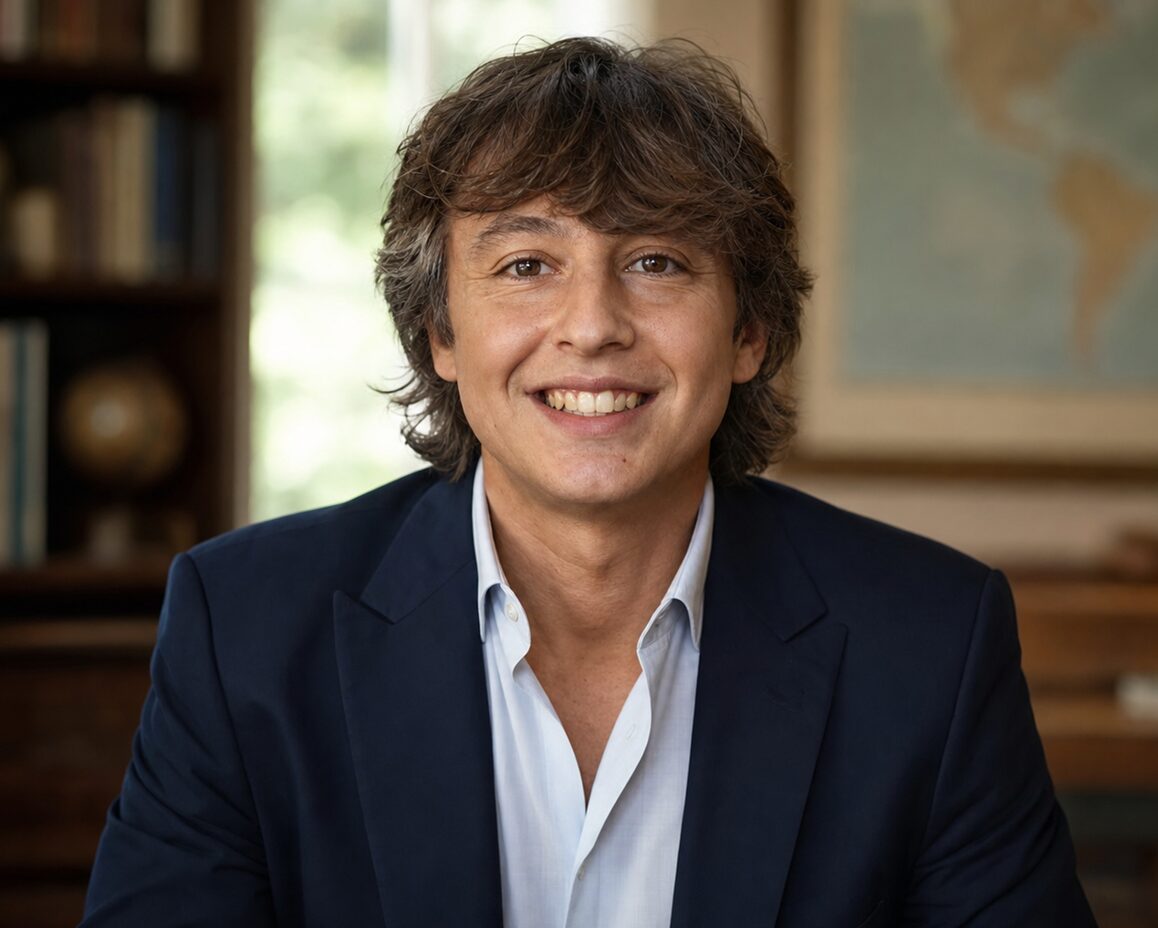
Meet Leo: The Heartbeat Behind ‘A Country A Month’
Journeying through the pages of A Country A Month, you might often feel the rhythm of a storyteller’s heartbeat, pulsating through each line, each image, and each adventure shared. That heartbeat belongs to none other than our remarkable website editor, Leo.
With a lens in one hand and a pen in the other, Leo seamlessly marries his passions for photography and writing. His eye captures moments that words can barely describe, yet his eloquence brings those images to life, transcending borders and connecting us all through shared stories. An avid traveler, every country he’s visited has added another chapter to his expansive tale, and through our platform, he generously shares these chapters with us.