The short answer: Malaysia’s daily living is one of the best budget retirements in Asia — a single retiree lives well in Kuching or Ipoh for about RM3,000 a month (~$730), on some of the cheapest great food on earth, with untaxed U.S. income. The honest catch is the visa: even the lowest bar, the Sarawak route, asks for a RM500,000 (~$122,000) parked deposit. If you can clear that, this is a genuinely low-cost, low-stress retirement. If you can’t, the living being cheap won’t help — the door is capital, not budget.
“Budget retirement” usually means finding the country where a small monthly check stretches furthest. Malaysia inverts that: the monthly life is gloriously cheap, but the visa is capital-based, so the budget question here is really two questions. This guide is honest about both — where your ringgit goes furthest, and what the lowest realistic entry actually costs — so you can tell a romantic idea from a real fit.
This summarizes the affordable-route chapters of No-Nonsense Guide to Retiring in Malaysia by Leo Sotropa — the Sarawak floor, the cheapest cities, and the cost hacks that make daily life inexpensive.
The lowest bar: the Sarawak route
If your savings are modest but real, the honest floor of retiring in Malaysia is Sarawak MM2H, run by the state of Sarawak on Borneo and based in Kuching. It asks for a RM500,000 (~$122,000) fixed deposit that covers a spouse, no property purchase, a one-time RM5,000 fee, and just 30 days a year in Sarawak.
It helps to see how far the bar moved. The old MM2H, closed to new applicants since 2020, asked a retiree over 50 for a RM150,000 deposit or about RM10,000 a month of income. The new federal program asks, at its cheapest, for a USD 150,000 deposit plus a RM600,000 property. That’s a large jump, and it’s why so much of the budget conversation steers toward Sarawak. At RM500,000 with no property, Sarawak isn’t cheap, but it’s the realistic floor — roughly $122,000 you park and keep, versus the federal route’s deposit plus a six-figure condo. And the deposit is mostly parked, not spent: it sits in your name earning interest that Malaysia does not tax.
The trade-off is geography. Sarawak is a separate immigration jurisdiction, so this route puts you in Kuching, not Penang or KL. One point to confirm before you commit: sources differ on whether Sarawak still imposes a monthly-income test (roughly RM7,000–10,000) or a savings-proof figure, so verify the current rule with InvestSarawak. If even the Sarawak bar is out of reach, be square with yourself — the living being cheap won’t manufacture the deposit, and another country where cost of living (not capital) is the deciding factor will serve you better.
Kuching: the affordable route’s hero city
Don’t think of Kuching as a consolation prize. It’s a clean, calm, riverside city on Borneo with a deserved reputation as one of the safest and most livable places in the country — noticeably safer-feeling than the peninsula. English is common, the welcome is warm, and the hospitals (Timberland, Normah, KPJ) are good, solidly above a small town though a step below Penang’s medical-tourism giants. A comfortable couple lives on RM5,000–6,000 a month; Grace, the book’s Sarawak retiree, lives well solo on $1,850 a month.
Her Kuching month runs about RM3,630 (~$885): rent RM1,200, utilities RM200, groceries RM650, dining RM450, transport RM200, phone and internet RM130, insurance RM500, misc RM300 — a cushion near $965 before deposit interest. What you give up is reach: the biggest hospitals and the international airport that flies you home nonstop are on the peninsula, a two-hour flight away. For the right person — someone self-sufficient, in stable health, who values calm and low cost over amenities and buzz — that’s a fine trade. And the machinery of a comfortable life is all present: Grab works nationwide, fiber runs the same cheap RM89–150, and Touch ‘n Go handles daily payments.
Ipoh: the peninsula’s cheapest living
On the federal route, the value pick is Ipoh — a laid-back, food-famous former tin-mining town wrapped in colonial charm and limestone hills, a comfortable two hours from KL by the ETS train. A comfortable single lives on about RM3,530 a month; a central one-bedroom runs about RM1,500 ($366), and RM1,000 ($244) outside the center. Proximity is what makes it workable rather than isolating: routine care is good locally, and KL’s top hospitals are within easy reach.
But mind the federal property math. Perak state’s foreign-ownership floor is RM1,000,000, so while renting in Ipoh is a bargain, buying a qualifying MM2H property here means spending far above what a modest Ipoh condo would otherwise fetch. Ipoh rewards the retiree who rents cheaply and satisfies the visa’s purchase requirement elsewhere, or who simply has the capital and loves the town. If heat is your dealbreaker, the nearby Cameron Highlands sit at a cool 14–25°C — lovely, but the healthcare up there is basic, so treat them as a frequent escape from an Ipoh base rather than a home.
The cost hacks that keep daily life cheap
Wherever you land, a handful of habits stretch a fixed income:
- Eat at hawker centers. A meal is RM6–15 ($1.50–3.70), a kopi RM2–4. You can eat three meals a day of superb food for less than one mediocre lunch back home. Imported Western brands are where grocery bills balloon — buy local produce and you halve them.
- Skip the car. Grab runs nationwide (RM6–15 a ride) and KL has good rail, so most retirees never buy a car — which also sidesteps Malaysia’s high road-death rate.
- Rent before you buy, and on the Sarawak route, don’t buy at all — keeping your capital liquid and staying flexible is itself a budget hack.
- Own to delete rent. If you do take the federal route, the condo you’re required to buy erases the single biggest monthly line, dropping a comfortable life under $1,000 a month.
- Let the tax system work. Malaysia doesn’t tax your U.S. income, so a dollar of retirement income stretches further here than in higher-tax destinations.
Guard the budget against the ringgit
The ringgit strengthened in 2026 into the 3.9–4.1 band, up from 4.5-plus in recent years, so a dollar buys fewer ringgit than it did. On a tight budget that matters, and the cheap-city choice is itself the strongest defense: Kuching and Ipoh absorb a bad exchange-rate year that Penang or KL cannot. Beyond that, plan your budget at 4.0 rather than 4.1, convert dollars to ringgit in tranches with Wise rather than one lump, and keep a few months’ expenses in ringgit as a cushion so a bad currency stretch never forces a bad decision. None of this requires predicting exchange rates, which no one can do — just planning conservatively and converting in pieces.
The reframe: the deposit is parked, not spent
The number that scares budget-minded retirees off Malaysia is the RM500,000 deposit, so it’s worth sitting with what that money actually does. It is not a fee. It sits in a licensed Malaysian bank in your name, it earns interest, and that interest is tax-exempt for individuals — so it quietly adds to your income while it sits there. If the whole experiment doesn’t work out, the deposit comes home with you when you exit the program, subject to the withdrawal timeline, converting back to dollars through the same Wise-style rails you used coming in. This is the single most important reframe for a budget retiree: the visa’s price is mostly a transfer of where your money sits, not money you burn. You’re parking your savings, not spending them. Shop the deposit like the financial product it is, too — rates differ between banks, and on a large sum held for years, a small difference compounds into real, tax-free money.
The honest healthcare trade-off of going cheap
The catch with the cheapest places is distance from major hospitals, and honesty requires naming it. Malaysia’s world-class, cheap private care is concentrated in the big cities — Penang and KL above all — and it thins out as you go cheaper and quieter. Kuching’s hospitals (Timberland, Normah, KPJ) are good, solidly above a small town but a step below Penang’s medical-tourism giants; Ipoh handles routine and moderate needs with KL’s top hospitals two hours away by train. In your fifties and sixties, being an hour or two from a major hospital is a nuisance you’ll rarely notice. In your late seventies and eighties, it can matter a great deal. So the budget route is partly a bet on your health holding — a fine bet for many, but one to make deliberately, anchoring yourself somewhere with at least good regional hospitals (Kuching for Sarawak, Ipoh for the peninsula) and treating the truly remote towns as places you visit, not places you grow old.
Is the affordable route right for you?
Tell the difference between a romantic idea and a real fit. You’re well suited to Malaysia’s budget route if you’re genuinely self-sufficient, if you make your own routines and don’t need a ready-made crowd, if your health is stable enough that living a couple of hours from a major hospital doesn’t keep you up at night, and if you value calm, safety, and a low bill over amenities. You’re poorly suited if you need social energy around you, have a condition that could turn urgent, or would be unsettled being a flight from world-class care — in which case the peninsula, and the higher federal capital, is the wiser home. There’s no shame in either answer. The point of the budget route is to choose it for who you actually are, not for a photo of a cheap riverside sunset.
Want the full Sarawak breakdown, the cheap-city profiles, and the honest self-assessment for the affordable route? It’s all in No-Nonsense Guide to Retiring in Malaysia.
FAQ
What’s the cheapest way to retire in Malaysia?
The Sarawak route in Kuching: a RM500,000 (~$122,000) parked deposit, no property, and a lean monthly life around RM3,000 ($730) for a single. It’s the lowest realistic bar, though still a real capital requirement, not a budget visa.
Which Malaysian city is cheapest for retirees?
Ipoh and Kuching are the cheapest, with comfortable single budgets around RM3,000–3,530 a month. Both keep you within reach of good regional hospitals, unlike the truly remote towns.
Can I retire in Malaysia cheaply on Social Security alone?
Your check covers the cheap monthly life easily, but the MM2H visa needs parked capital, not income. So “cheaply on Social Security alone” works for the living but usually not for the visa unless you also have the Sarawak deposit.
Keep reading: Cost of living in Malaysia for retirees · Can you retire in Malaysia on Social Security? · The complete guide to retiring in Malaysia
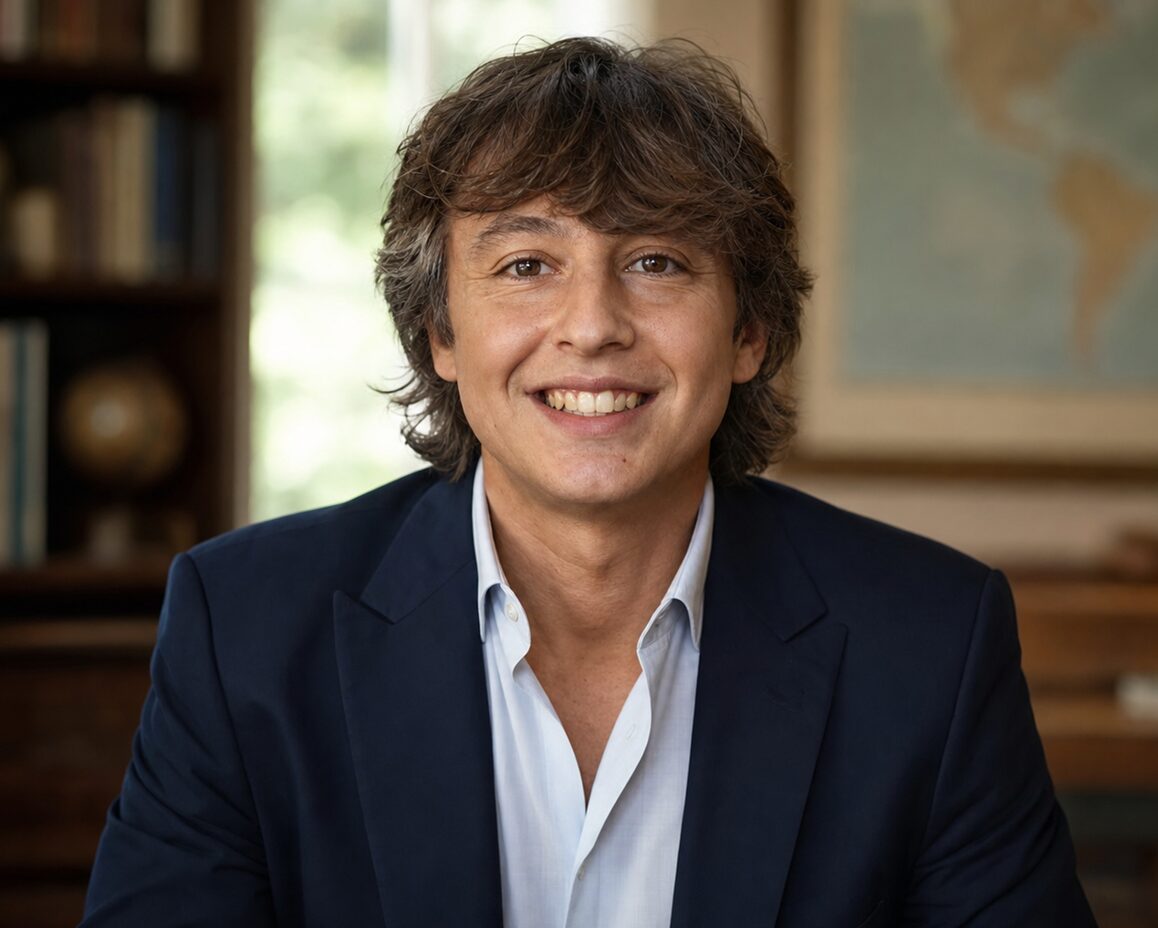
Meet Leo: The Heartbeat Behind ‘A Country A Month’
Journeying through the pages of A Country A Month, you might often feel the rhythm of a storyteller’s heartbeat, pulsating through each line, each image, and each adventure shared. That heartbeat belongs to none other than our remarkable website editor, Leo.
With a lens in one hand and a pen in the other, Leo seamlessly marries his passions for photography and writing. His eye captures moments that words can barely describe, yet his eloquence brings those images to life, transcending borders and connecting us all through shared stories. An avid traveler, every country he’s visited has added another chapter to his expansive tale, and through our platform, he generously shares these chapters with us.